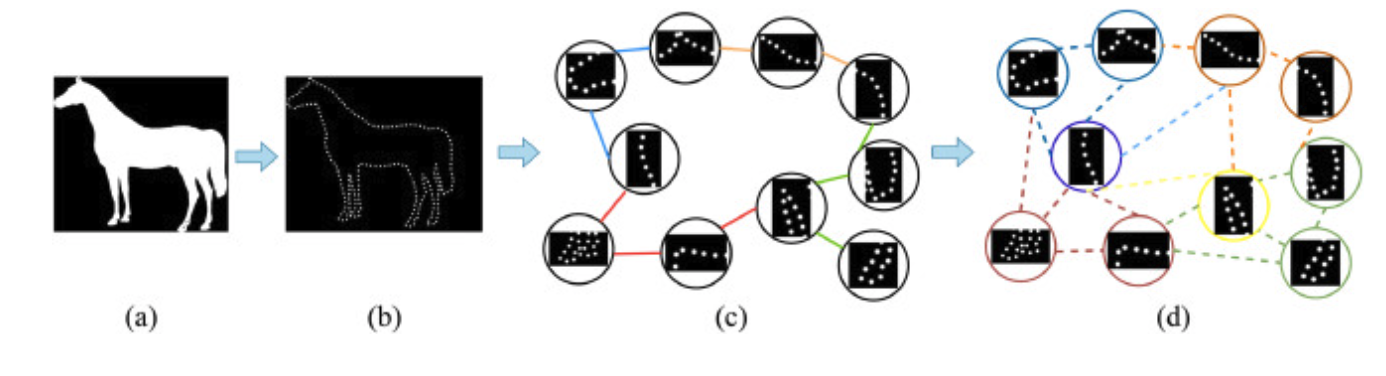
Boundary-aware shape recognition using dynamic graph convolutional networks
Zhao, J., et al., Pattern Recognition (2026).
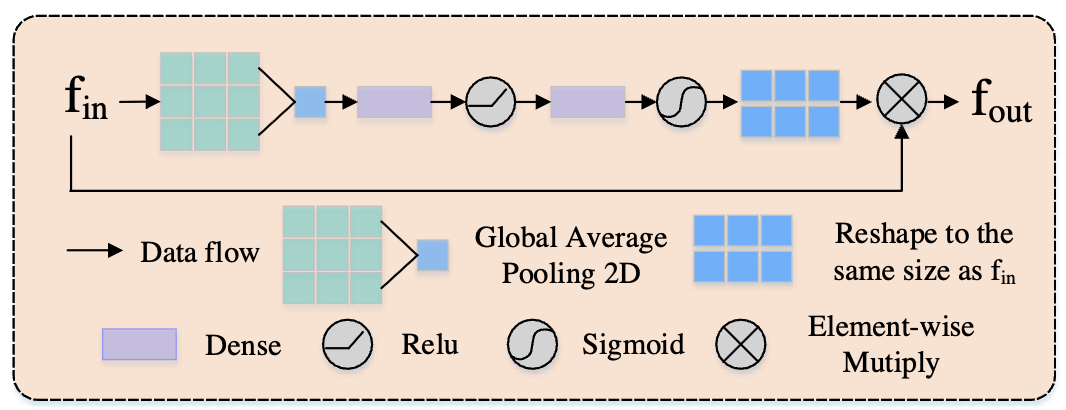
Double uncertainty-aware learning network for multi-modal cell image segmentation
Zhao, L., et al., IEEE Journal of Biomedical and Health Informatics (2025).
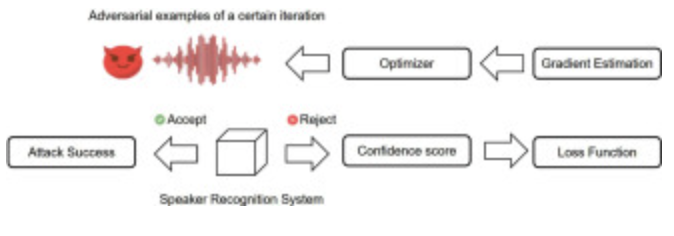
A fast gray-box adversarial example generation algorithm based on FakeBob
Zheng, J., et al., High-Confidence Computing (2025).
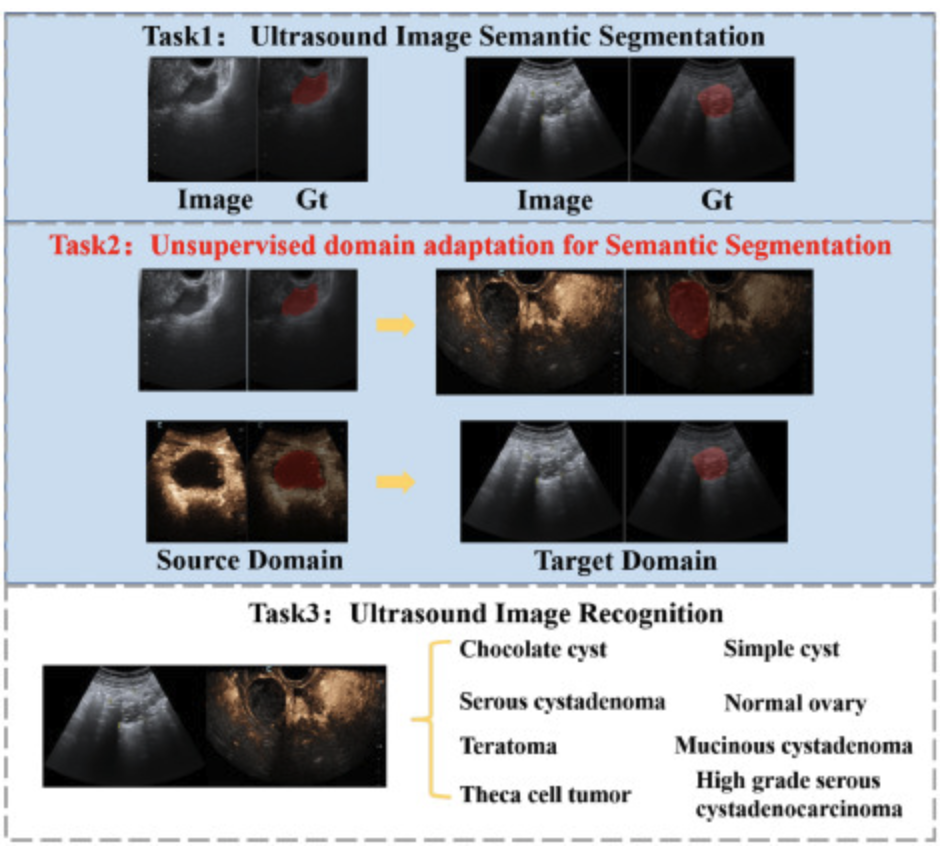
Unsupervised cross-domain semantic segmentation on multi-modality ovarian tumor ultrasound data
Lyu, S., et al., Pattern Recognition (2026).
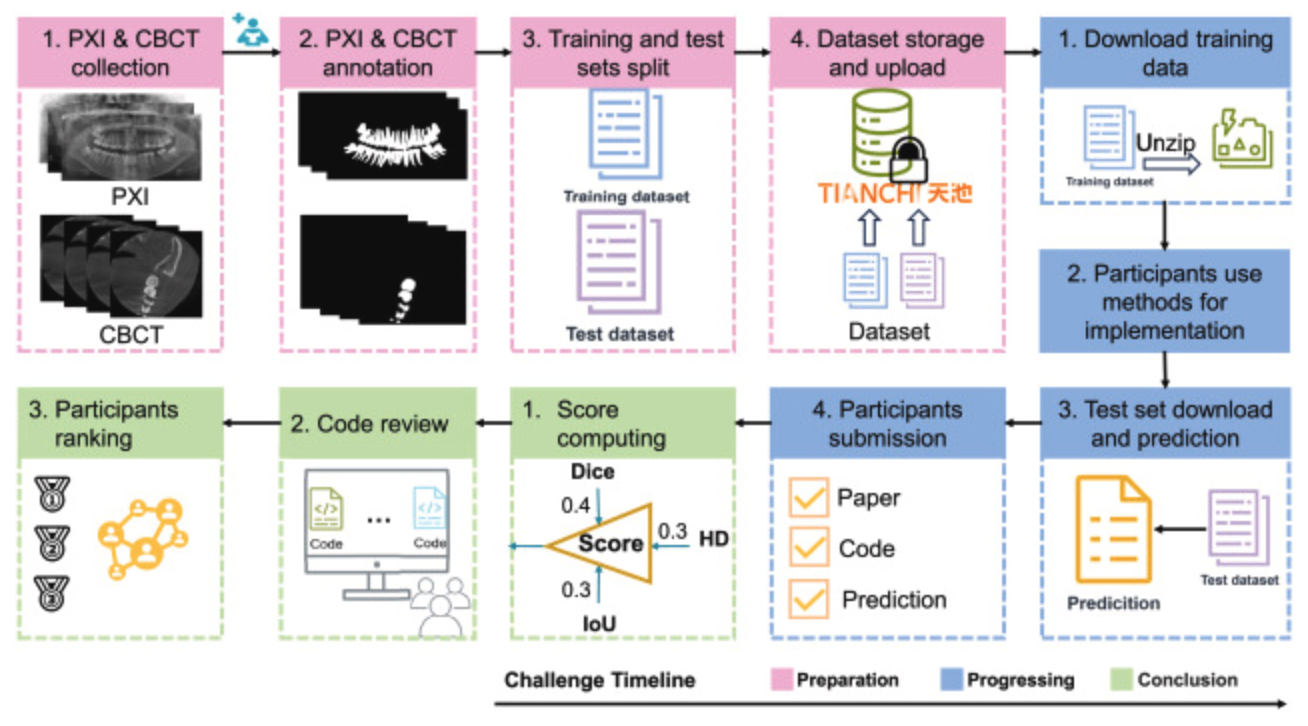
MICCAI 2023 STS Challenge: A retrospective study of semi-supervised learning approaches for teeth segmentation
Wang, Y., et al., Pattern Recognition (2026).
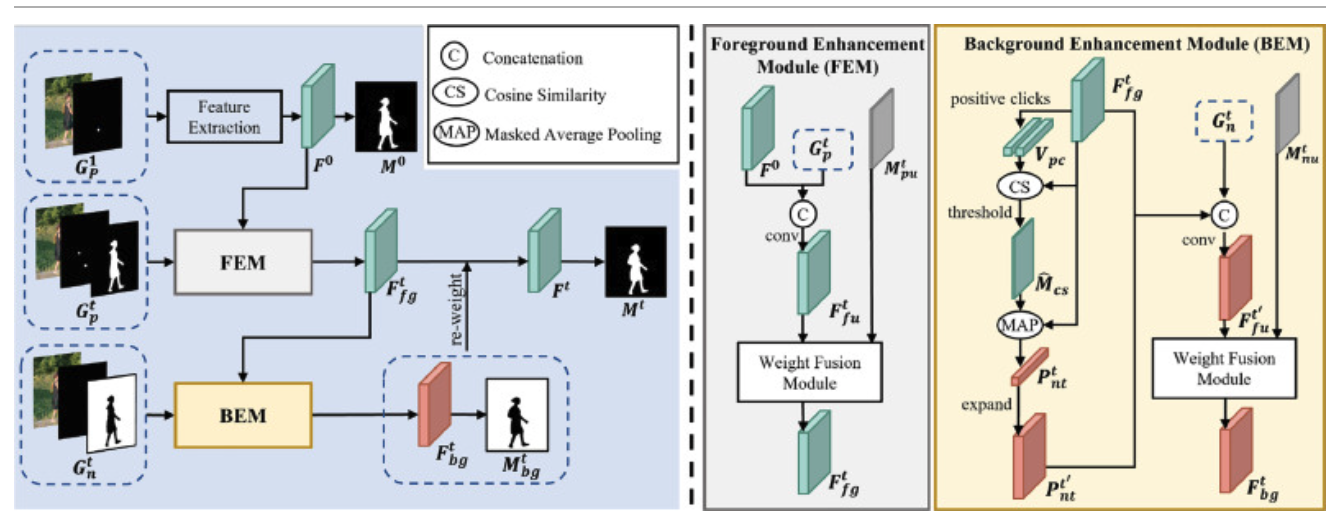
DiffClick: Click-differentiated enhancement network for interactive segmentation
Song, S., et al., Pattern Recognition (2026).
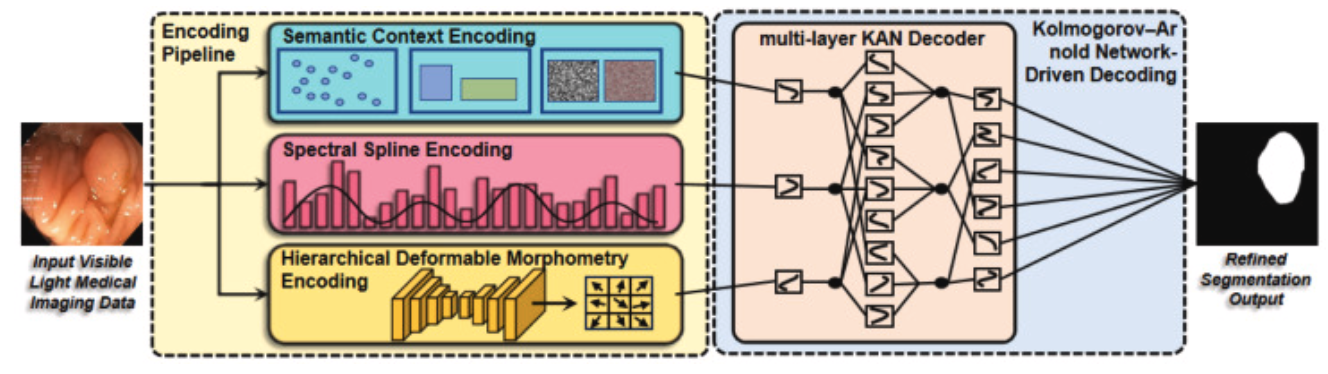
Multi-aspect fusion foundational large vision model for visible light medical imaging segmentation
Huang, X., et al., Information Fusion (2025).
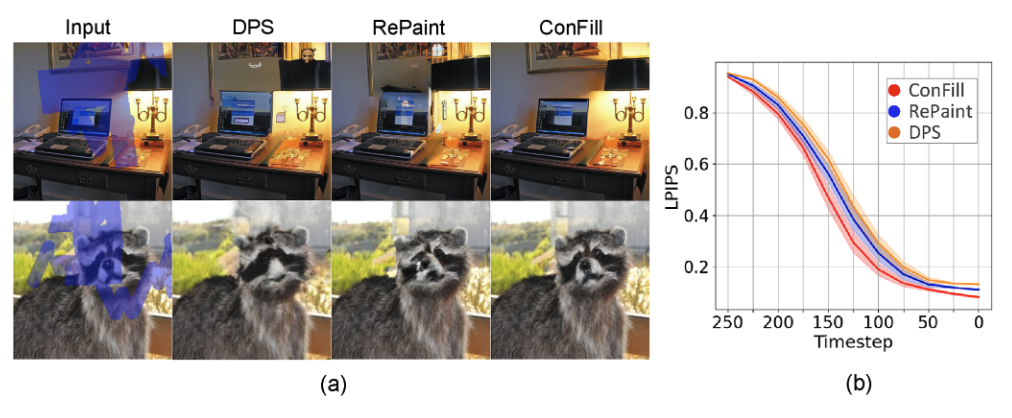
From missing pieces to masterpieces: Image completion with context-adaptive diffusion
Shamsolmoali, P., et al., IEEE Trans. on Pattern Analysis and Machine Intelligence (2025).
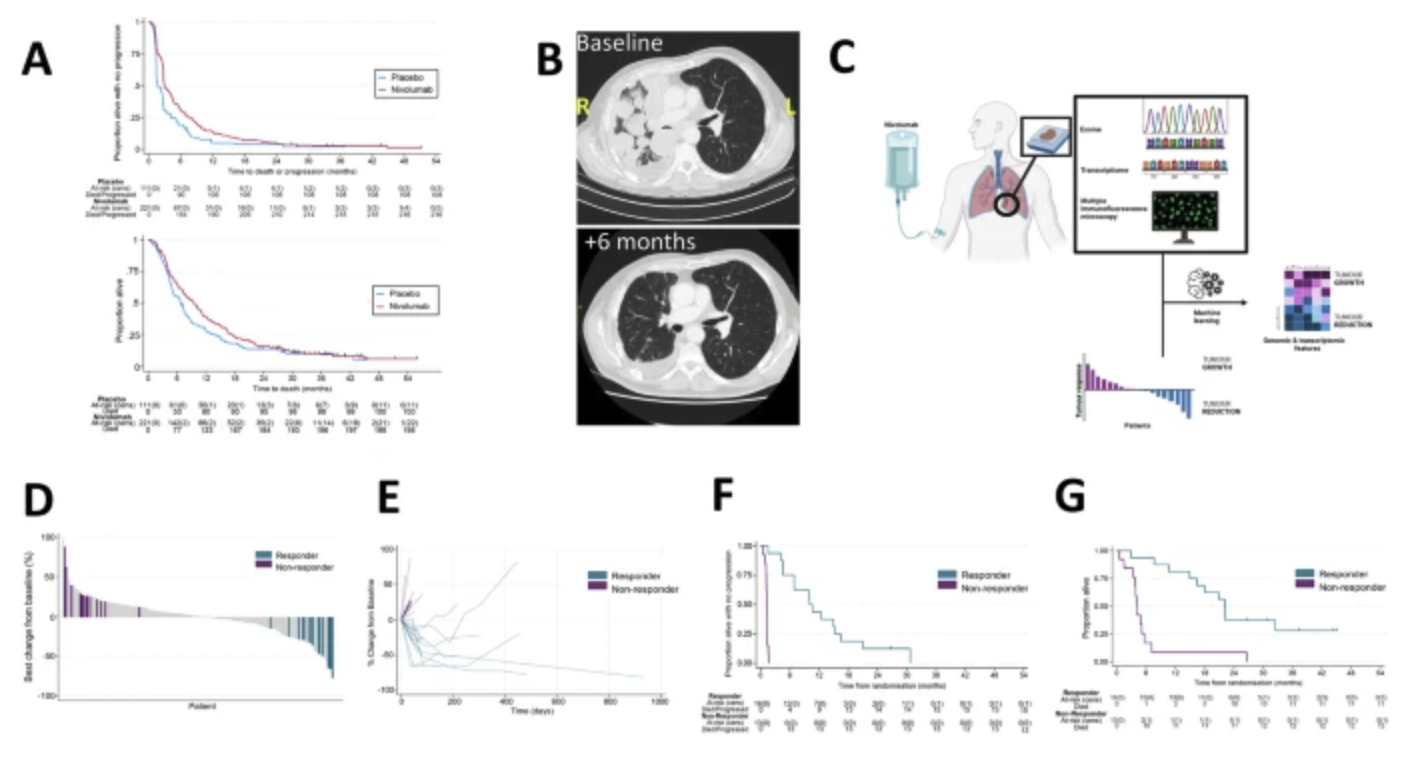
Constitutive inflammation and epithelial-mesenchymal transition dictate sensitivity to nivolumab in CONFIRM: a placebo-controlled, randomised phase III trial
Fennell, D.A., et al., Nature Communications (2025).
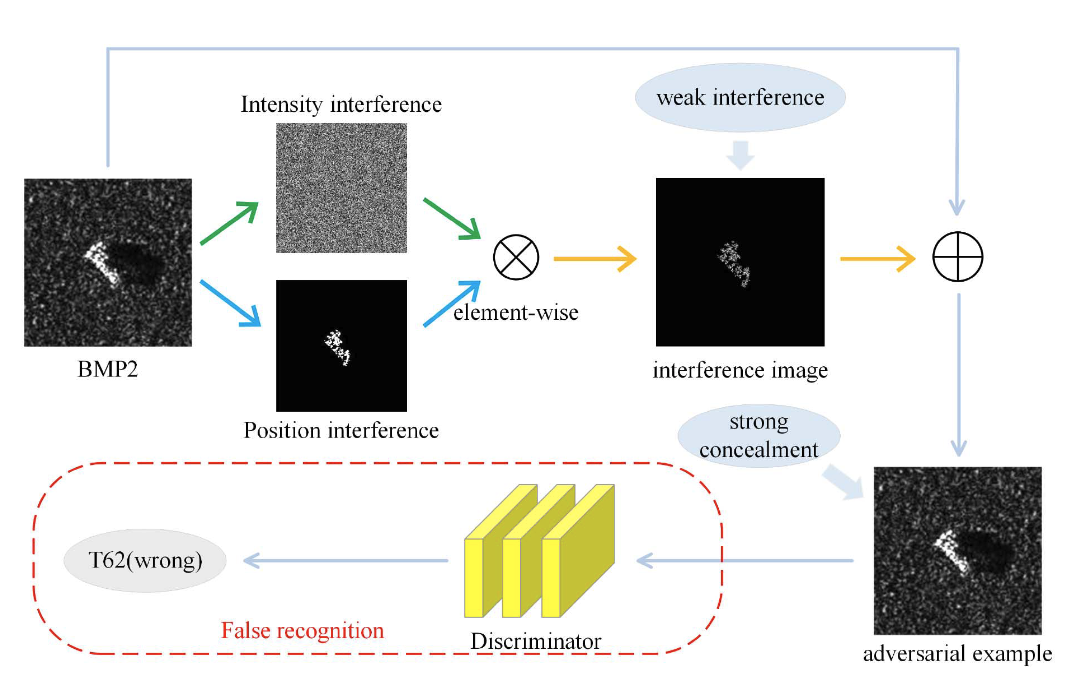
General sparse adversarial attack method for SAR images based on key points
Gao, F., et al., IEEE Trans. on Aerospace and Electronic Systems (2025).
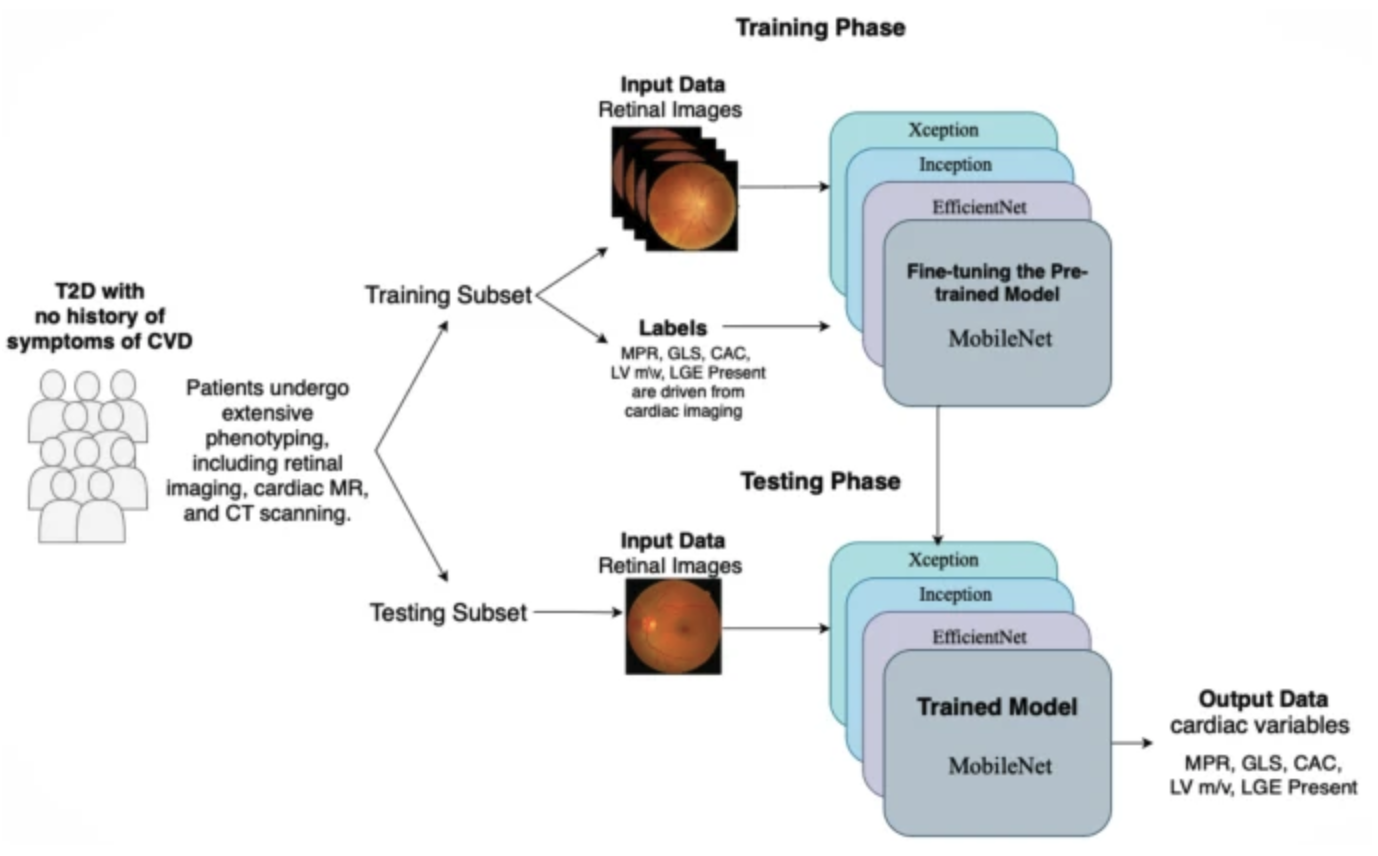
The retina as a window into detecting subclinical cardiovascular disease in type 2 diabetes
Alatrany, A.S., et al., Scientific Reports (2025).
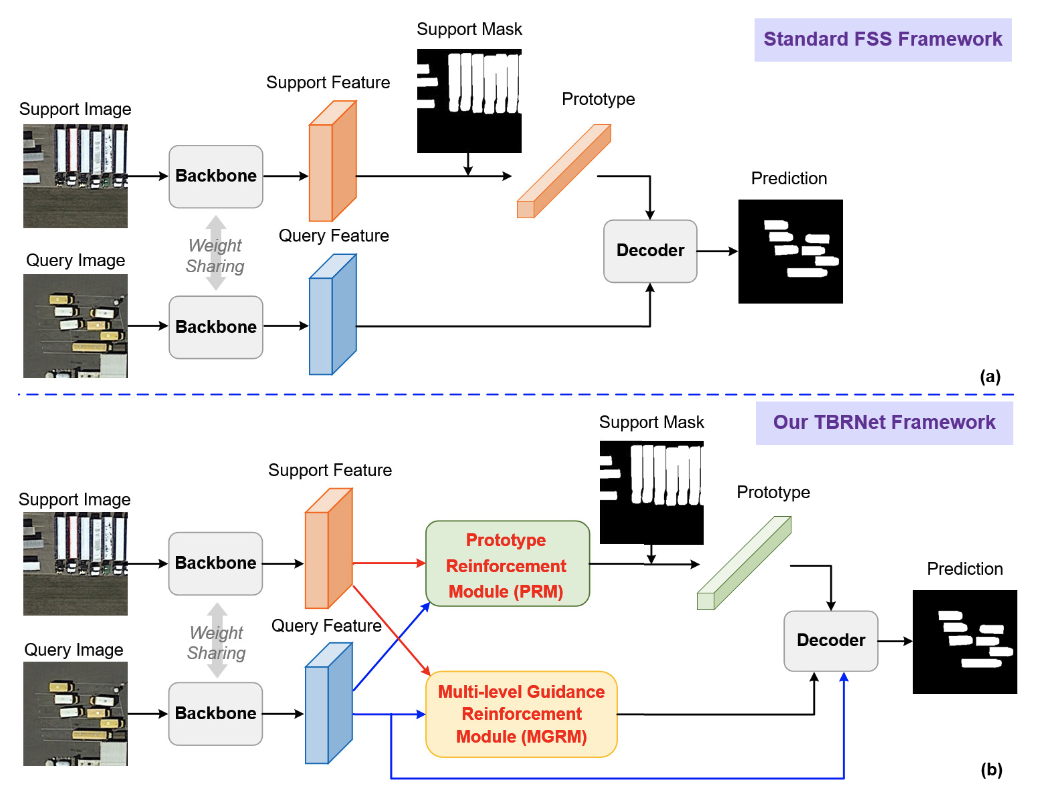
TBRNet: Two-branch reinforcement network for few-shot semantic segmentation in remote sensing images
Wang, X., et al., IEEE Trans. on Geoscience and Remote Sensing (2025).
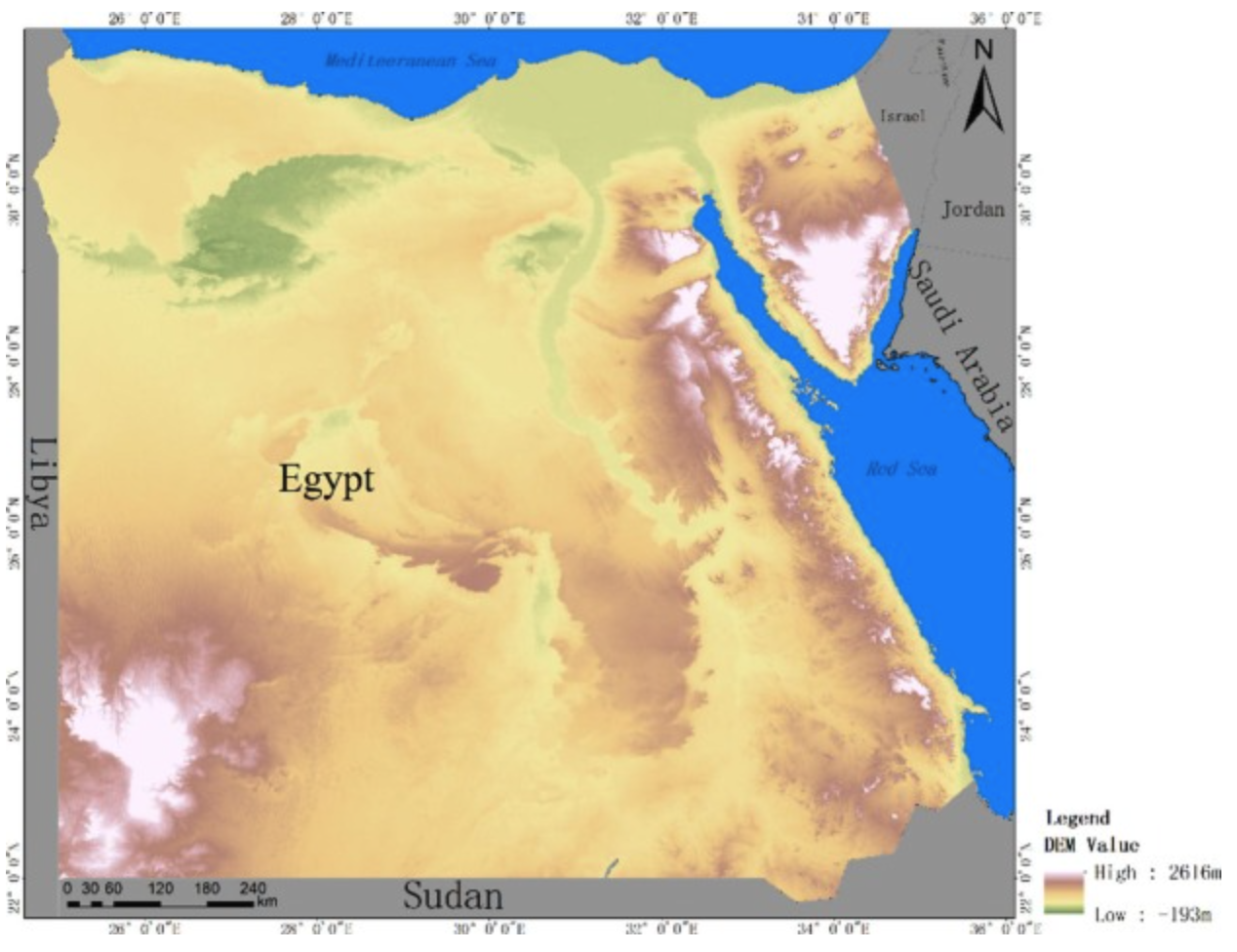
Surface water mapping from remote sensing in Egypt’s dry season using an improved U-Net model with multi-scale information and attention mechanism
Li, Y., et al., International Journal of Applied Earth Observation and Geoinformation (2025).
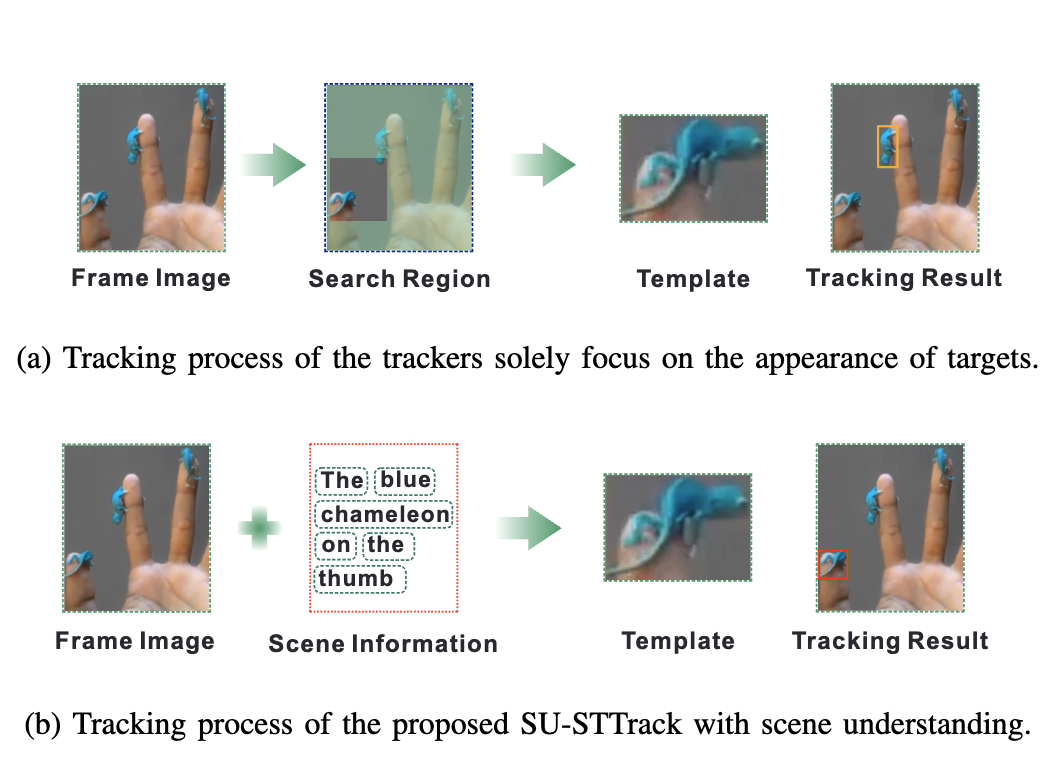
Single target tracking with contextual prompts in scene understanding
Liu, X., et al., IEEE Trans. on Artificial Intelligence (2025).
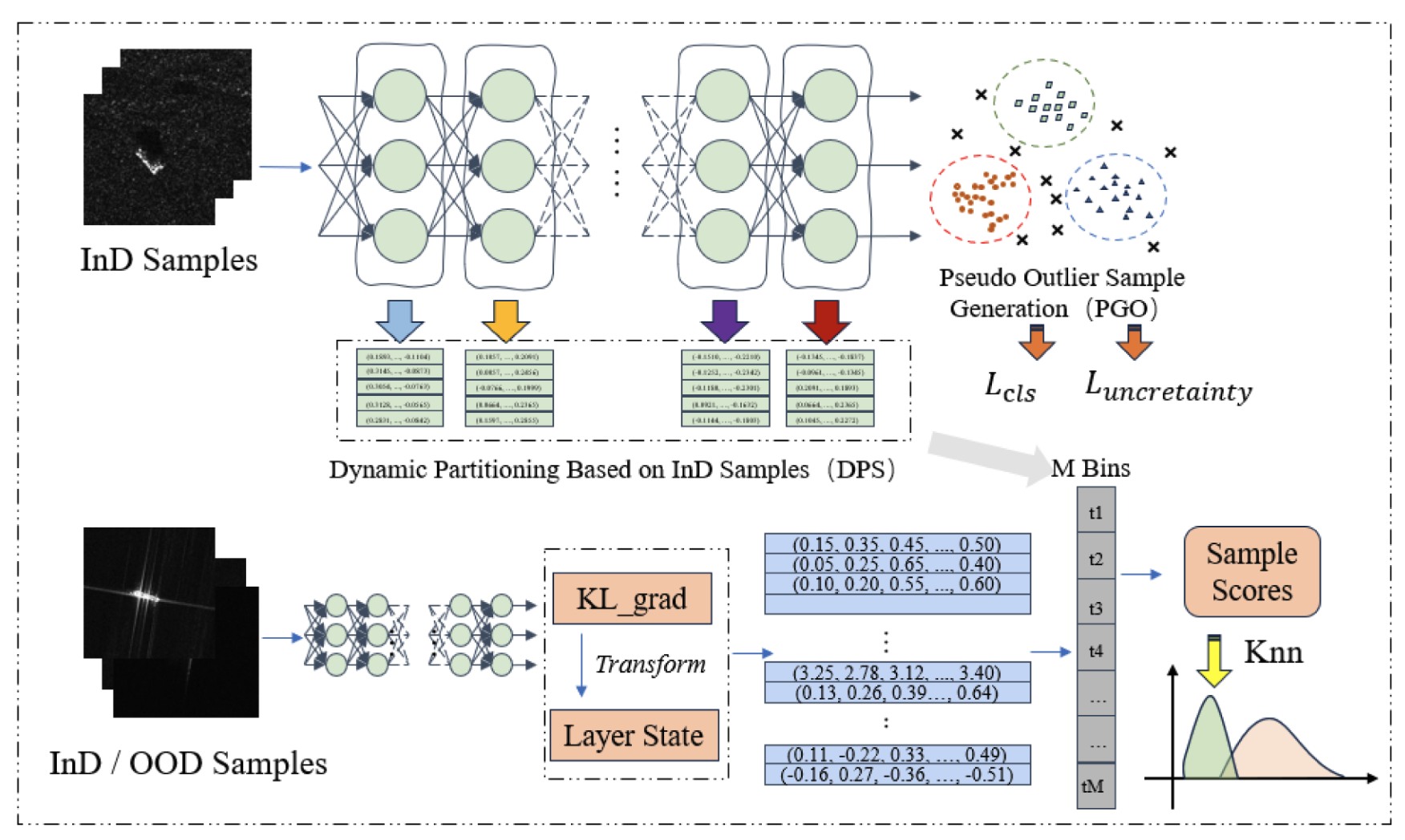
A comprehensive framework for out-of-distribution detection and open-set recognition in SAR targets
Gao, F., et al., IEEE J of Selected Topics in Applied Earth Observations and Remote Sensing (2025).
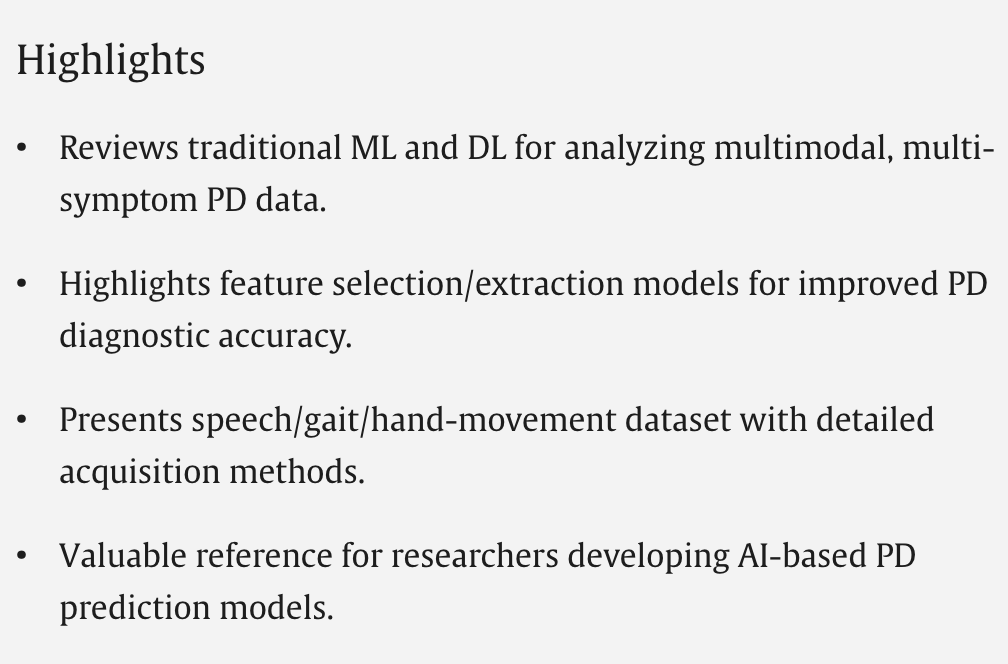
Artificial intelligence-enabled detection and assessment of Parkinson’s disease using multimodal data: A survey
Zhao, A., et al., Information Fusion (2025).
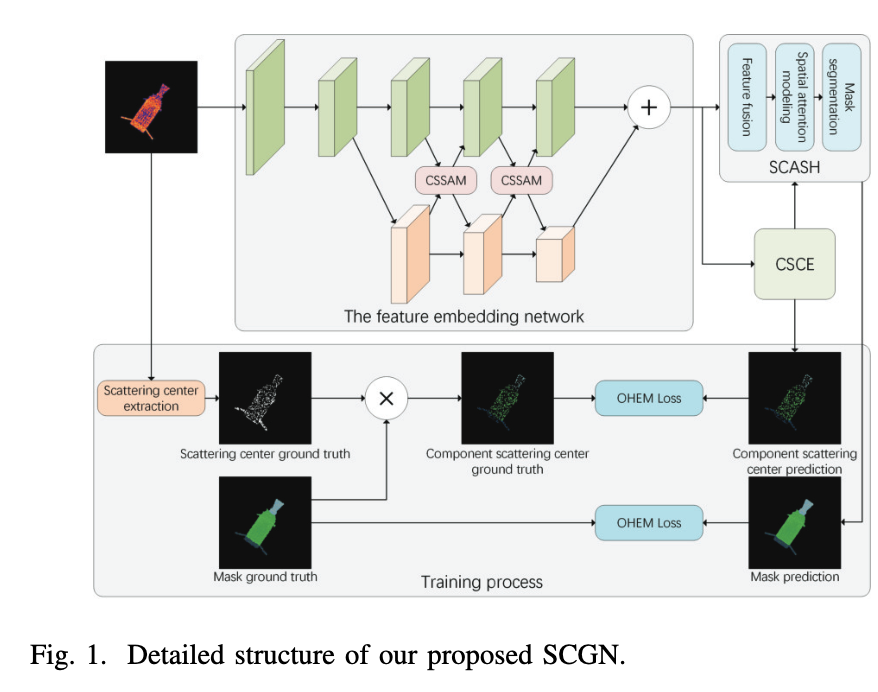
Scattering characteristics guided network for ISAR space target component segmentation
Zhong, F., et al., IEEE Geoscience and Remote Sensing Letters (2025).
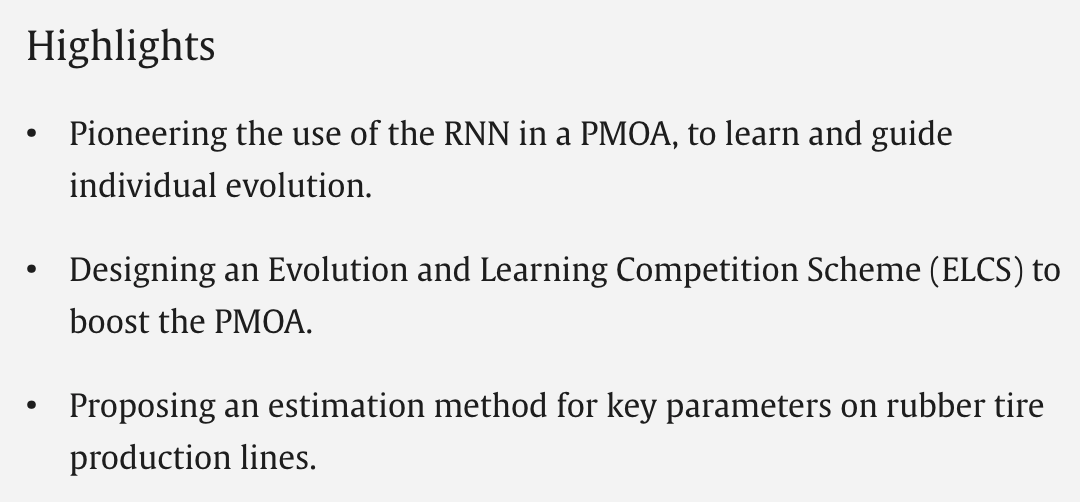
Population-based meta-heuristic optimization algorithm booster: An evolutionary and learning scheme
Wang, J., et al., Neurocomputing (2025).
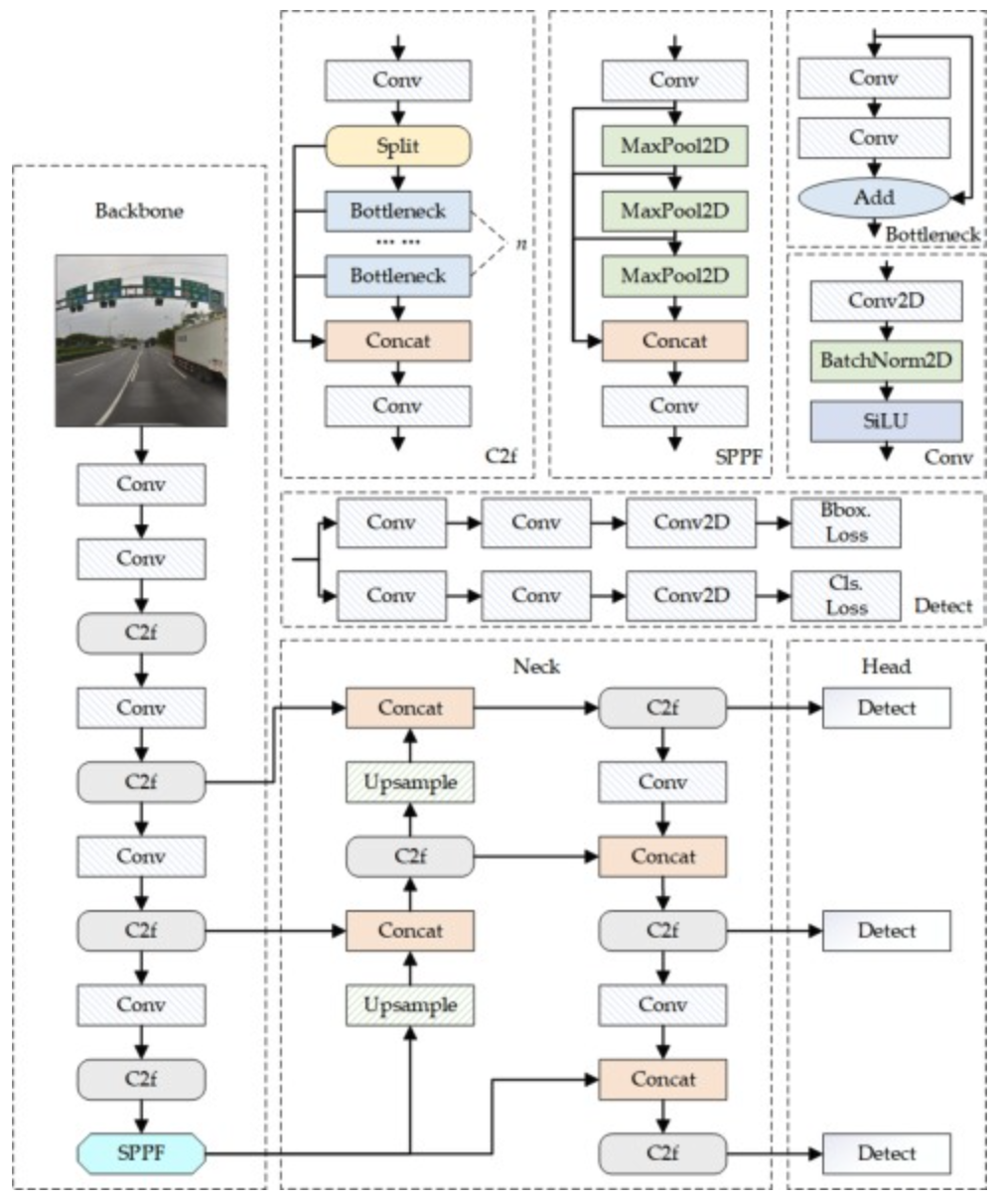
DP-YOLO: A lightweight traffic sign detection model for small object detection
Qiu, J., et al., Digital Signal Processing (2025).
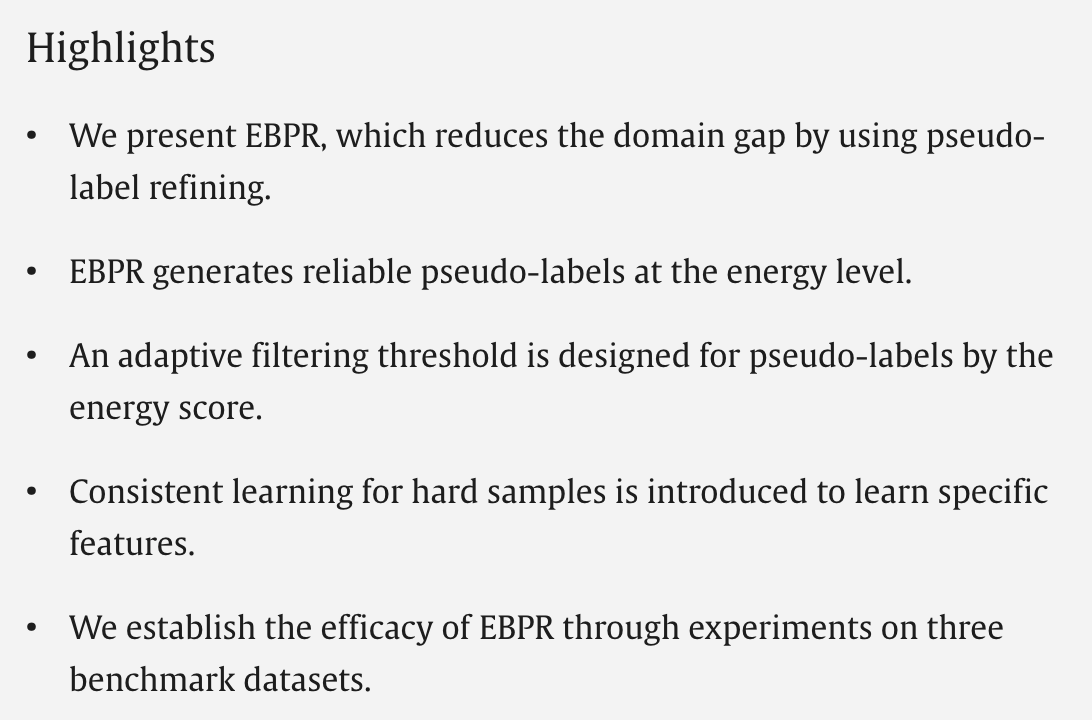
Energy-based pseudo-label refining for source-free domain adaptation
Meng, X., et al., Pattern Recognition Letters (2025).
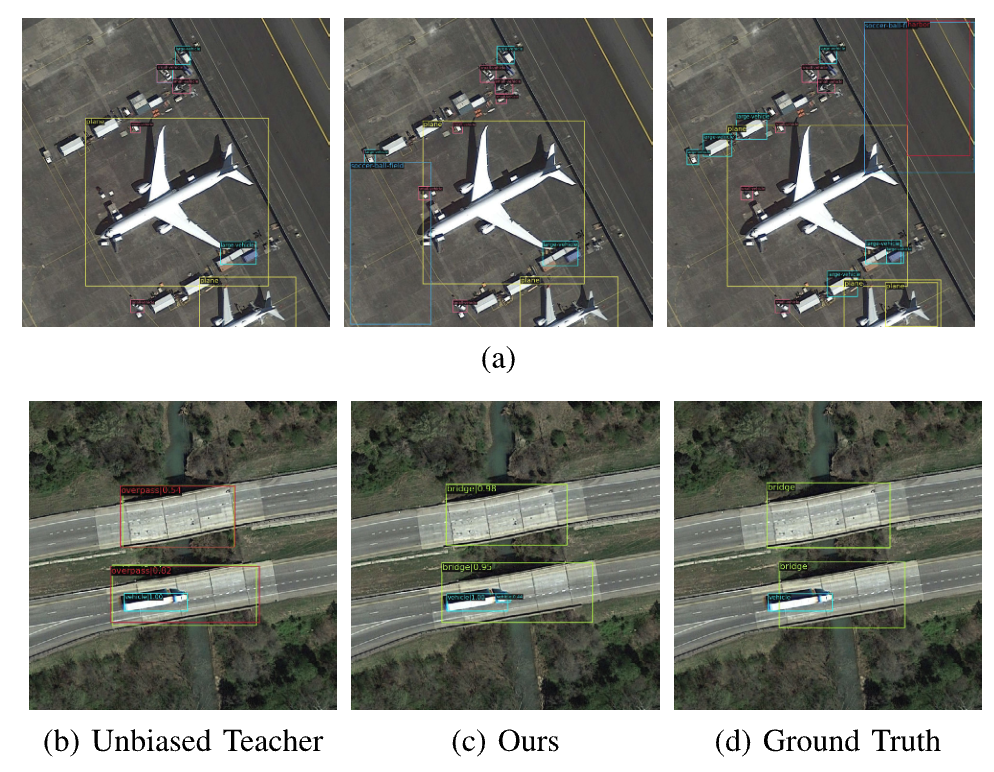
Temporal-feedback self-training for semi-supervised object detection in remote sensing images
Zhu, X., et al., IEEE Trans. on Geoscience and Remote Sensing (2025).
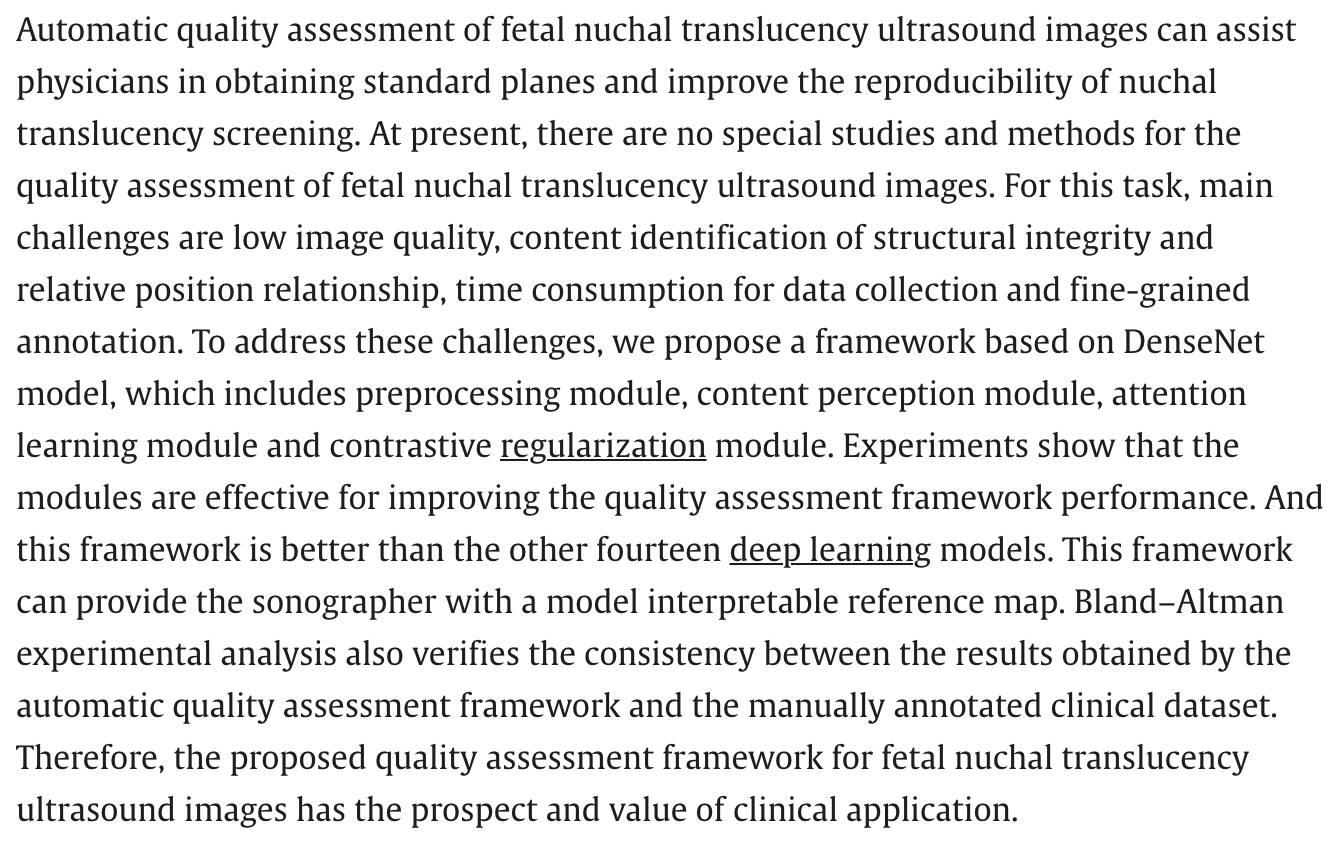
Deep content and contrastive perception learning for automatic fetal nuchal translucency image quality assessment
Zhao, L., et al., Engineering Applications of Artificial Intelligence (2025).
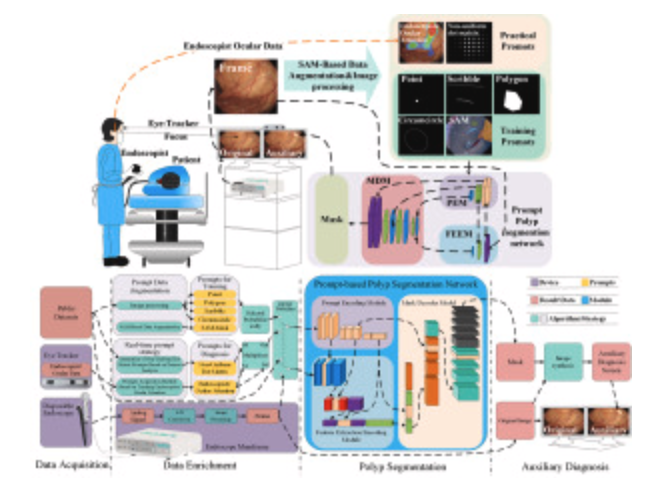
Prompt-based polyp segmentation during endoscopy
Ren, X., et al., Medical Image Analysis (2025).
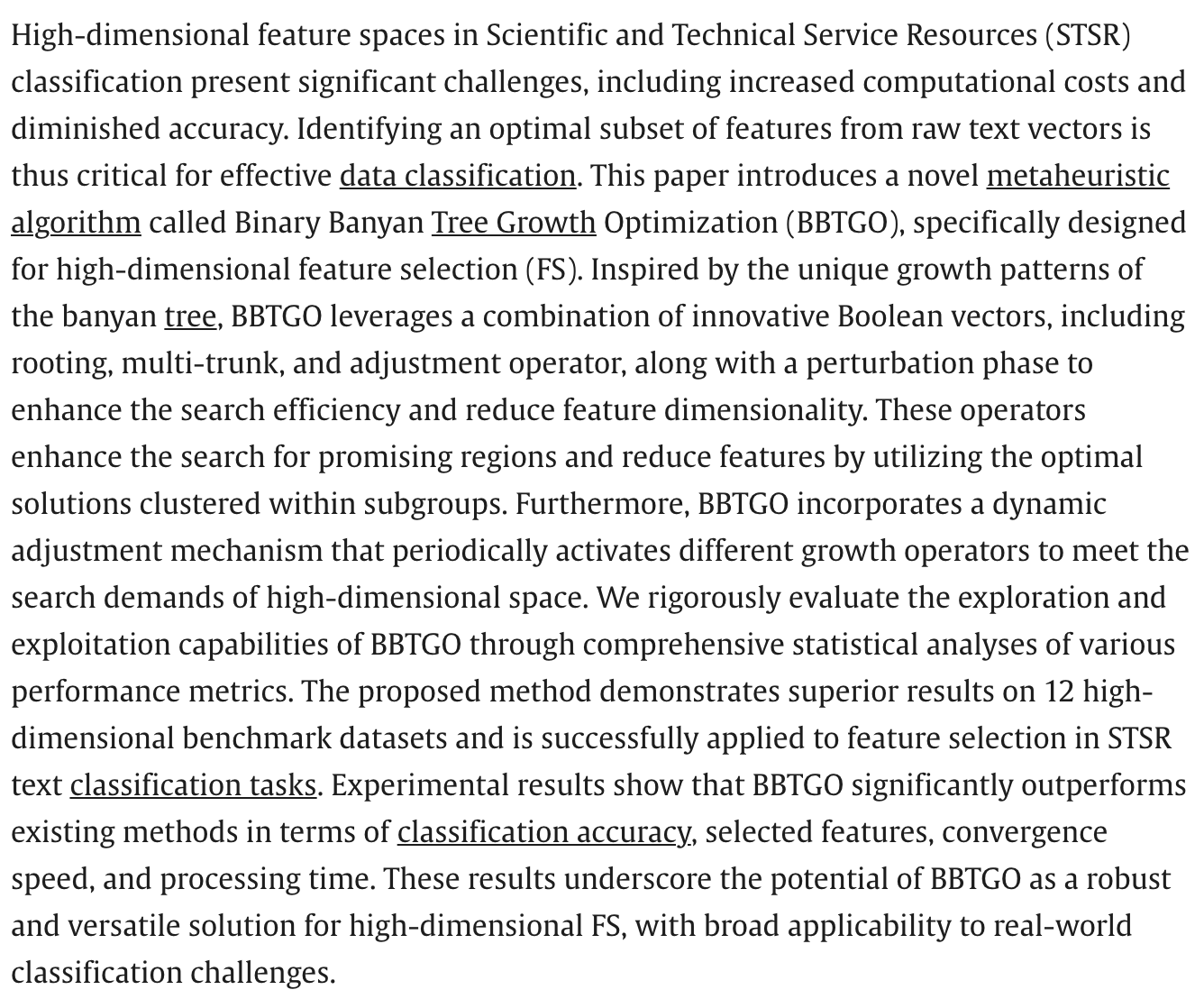
Binary Banyan tree growth optimization: A practical approach to high-dimensional feature selection
Wu, X., et al., Knowledge-Based Systems (2025).
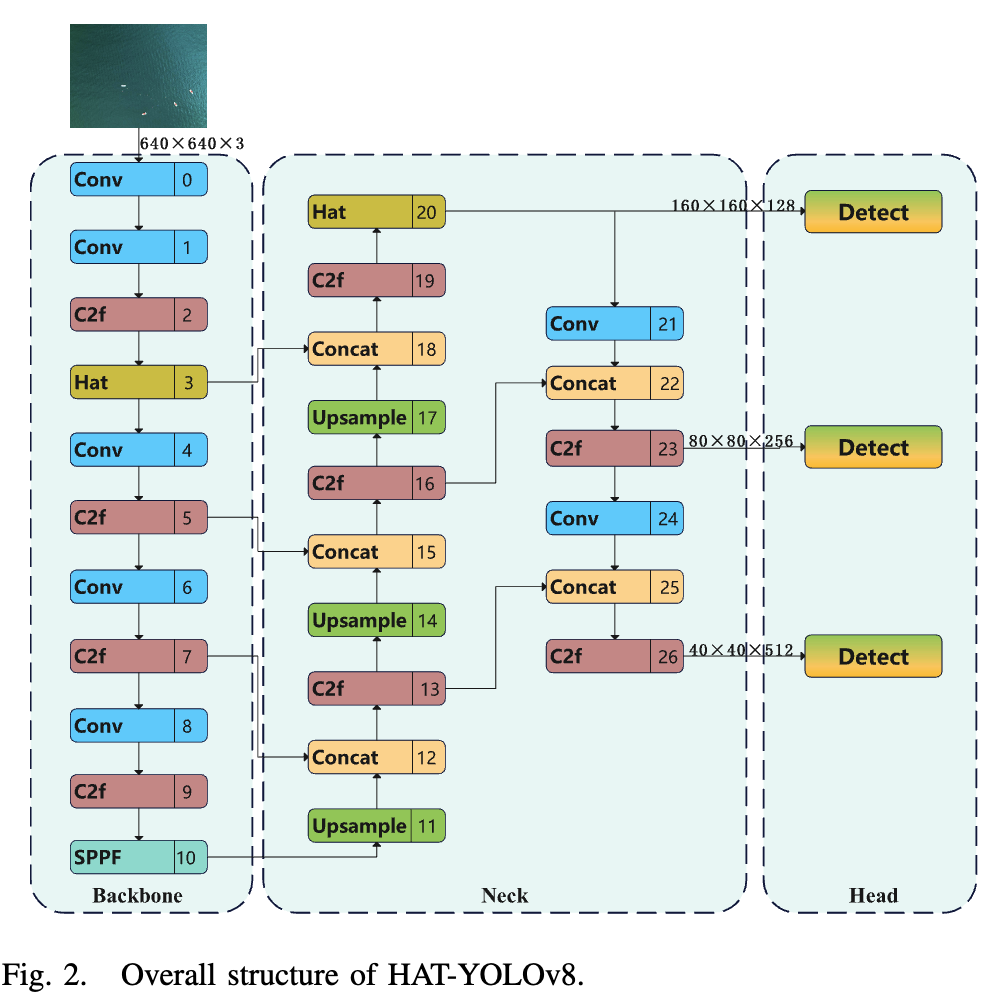
Surface multiple object tracking: an accurate HAT-YOLOv8-ADT tracking model
Lin, N., et al., IEEE Internet of Things (2025).
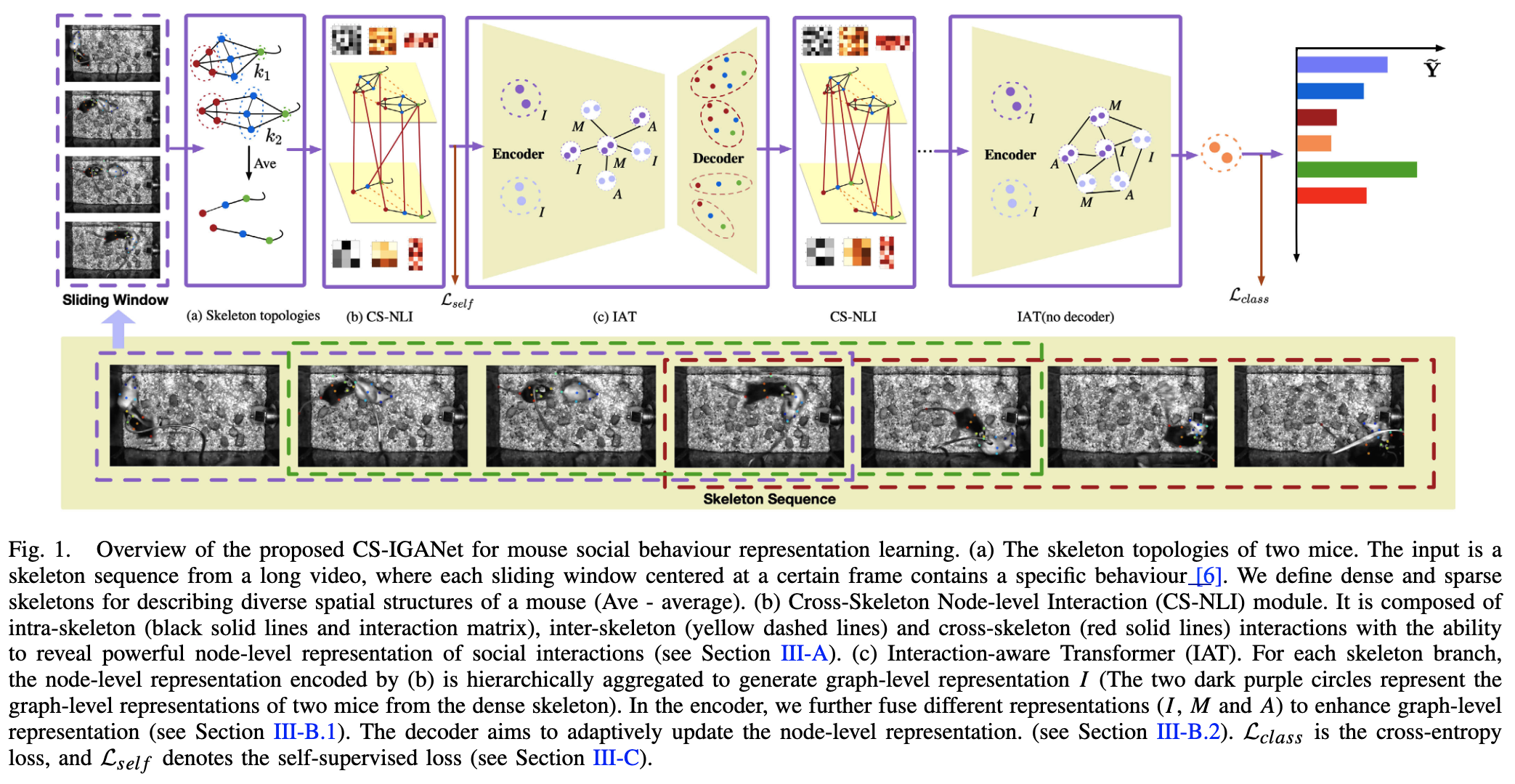
Cross-skeleton interaction graph aggregation network for representation learning of mouse social behaviour
Zhou, F., et al., IEEE Trans. on Image Processing (2025).
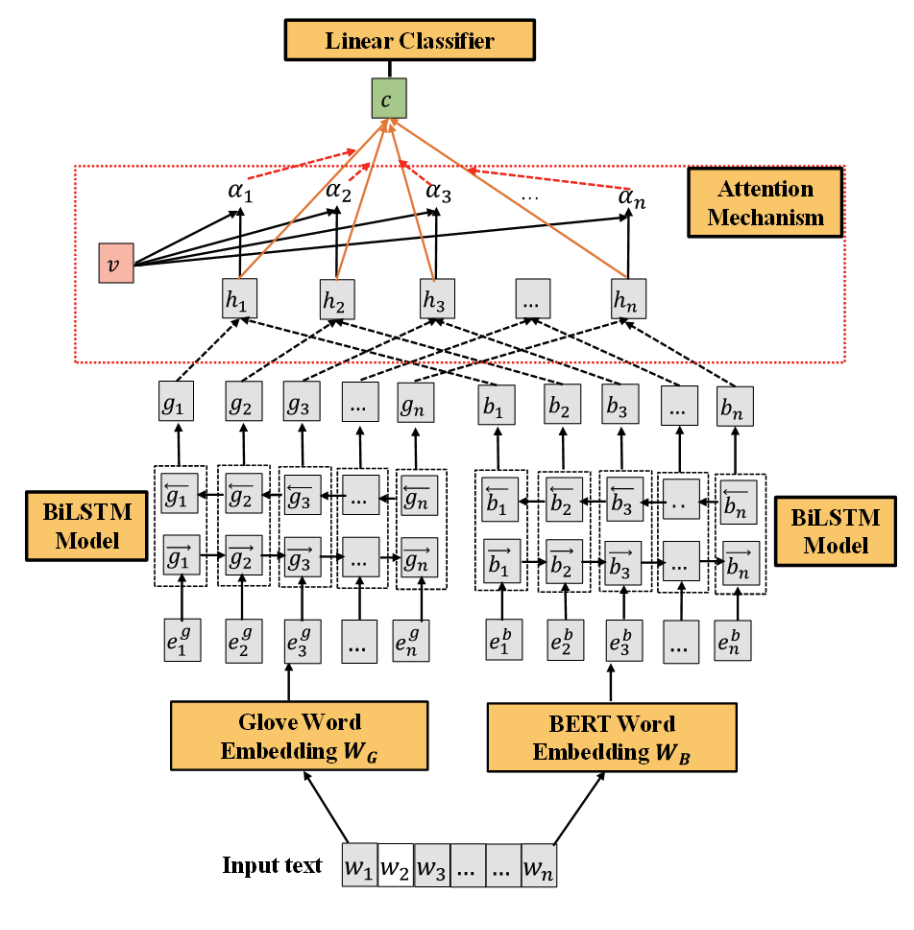
F2Attack: Two-factors scoring method for query-efficient hard-label black-box textual adversarial attacks
Wang, j., et al., IEEE Trans. on Information Forensics and Security (2025).
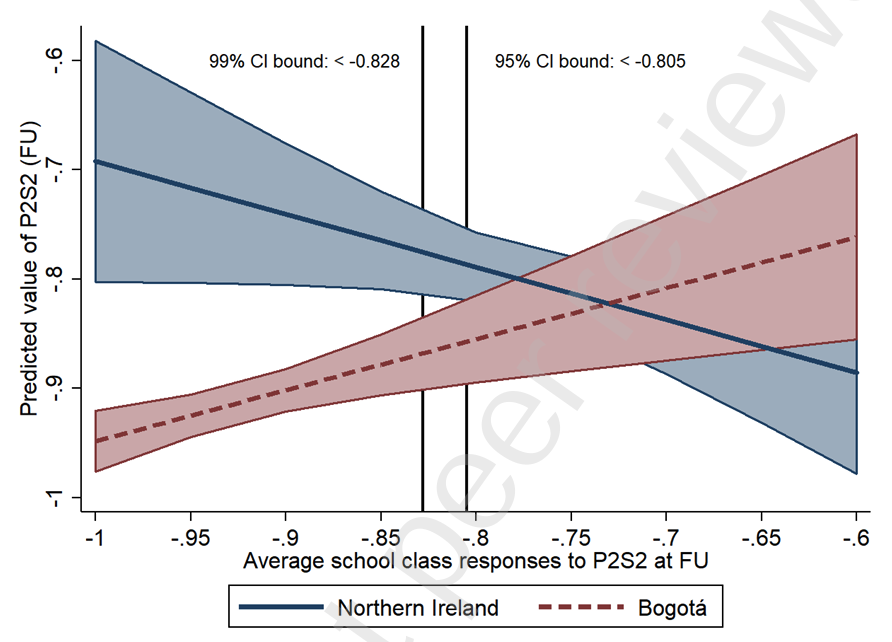
Moderators of Peer Influence Effects for Adolescents’ Smoking and Vaping Norms and Outcomes in High and Middle-Income Settings
Murray, J.M., et al., Frontiers in Psychology (2024).
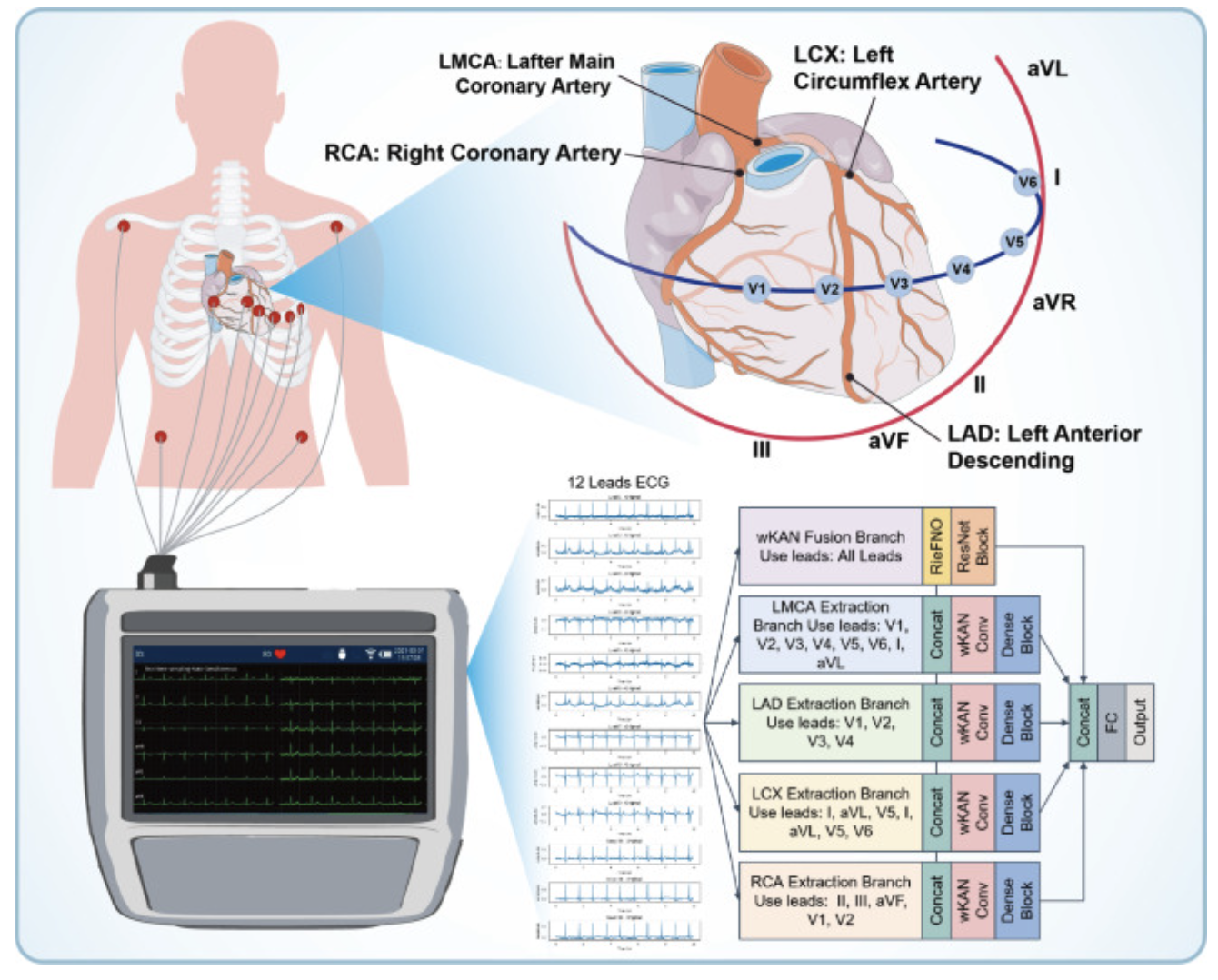
MCao: Multi-branch coronary artery occlusion localization using real-imaginary enhancement Fourier wavelet-KAN
Chen, X., et al., Biomedical Signal Processing and Control (2026).
PricoMS: Prior-coordinated Multiscale Synthesis Network for Self-supervised–Aided Vessel Segmentation in Intravascular Ultrasound Image Amidst Label Scarcity
Huang, X., et al., Knowledge-Based Systems (2025).
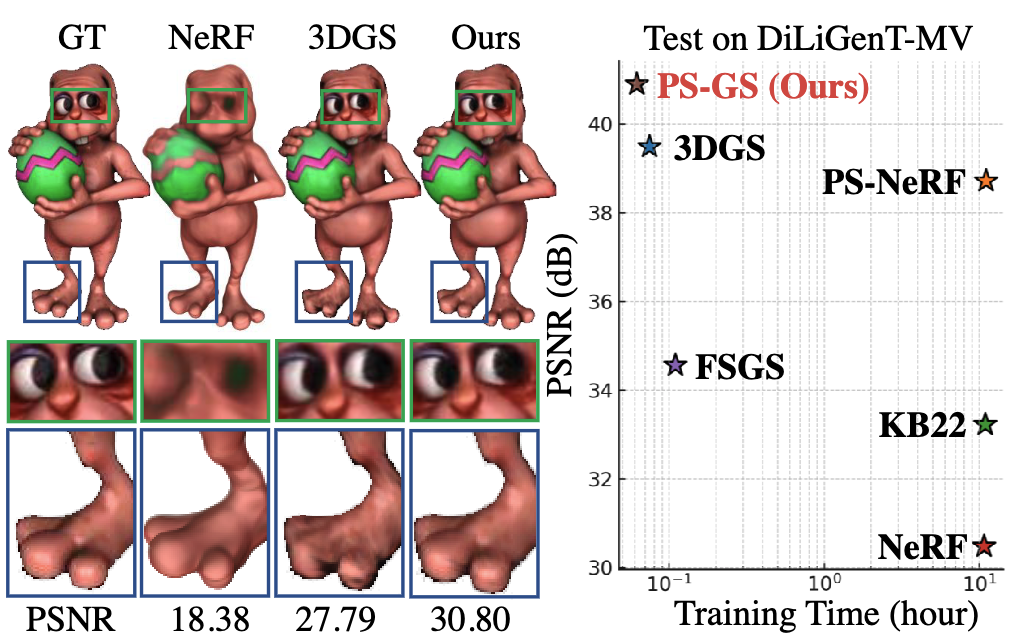
Photometric Regularization for 3D Gaussian Splatting in Multi-View Surface Projection
Ju, Y., et al., IEEE Journal of Selected Topics in Signal Processing (2021).
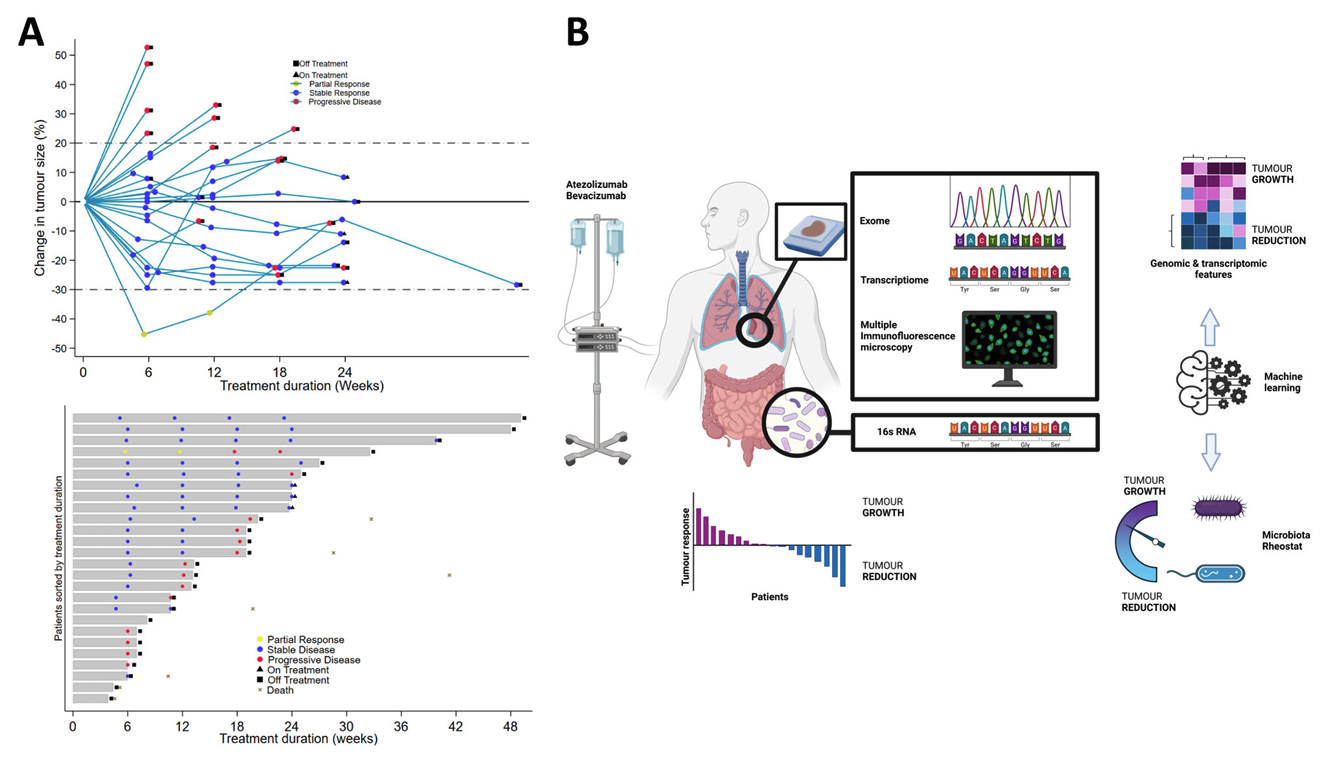
A gut microbiota rheostat forecasts responsiveness to PD-L1 and VEGF blockade in mesothelioma
Zhang, M., et al., Nature Communications (2024).
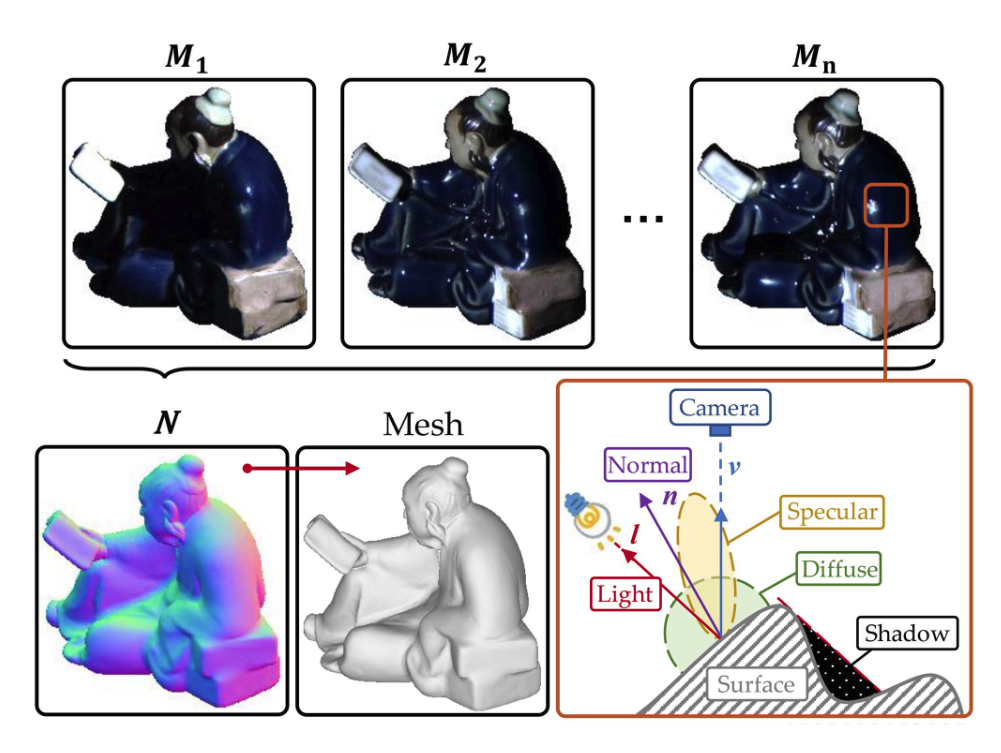
Deep learning methods for calibrated photometric stereo and beyond
Ju, Y., et al., IEEE Trans. on Pattern Analysis and Machine Intelligence (2024).
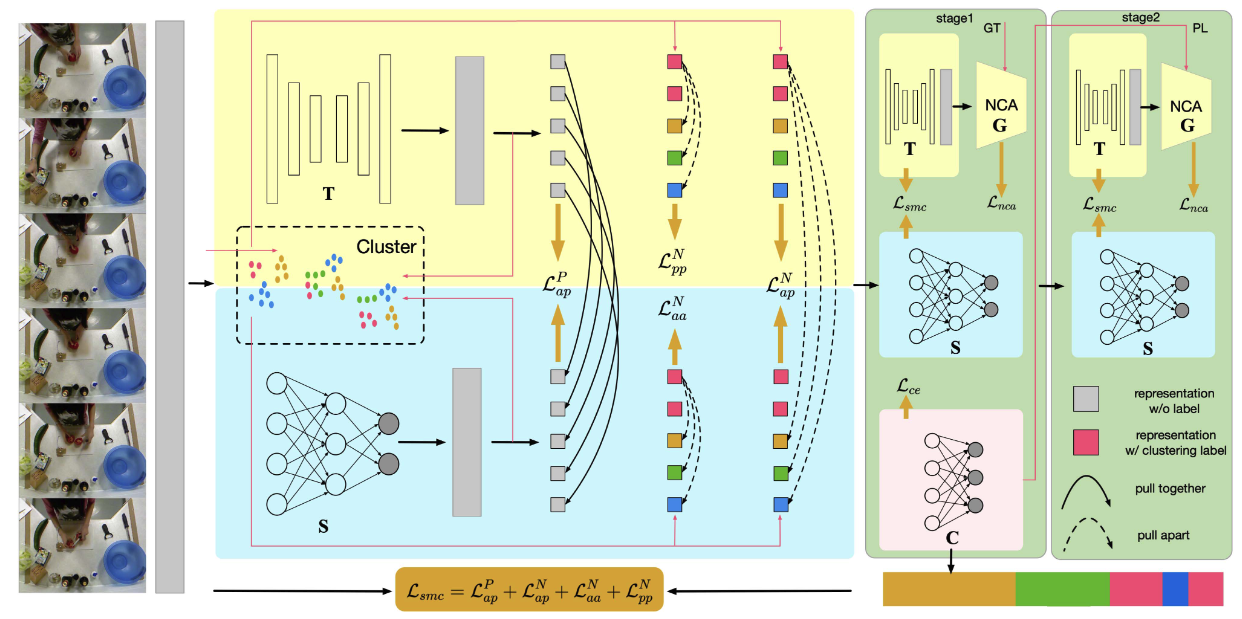
SMC-NCA: Semantic-guided multi-level contrast for semi-supervised temporal action segmentation
Zhou, F., et al., IEEE Trans. on Multimedia (2024).
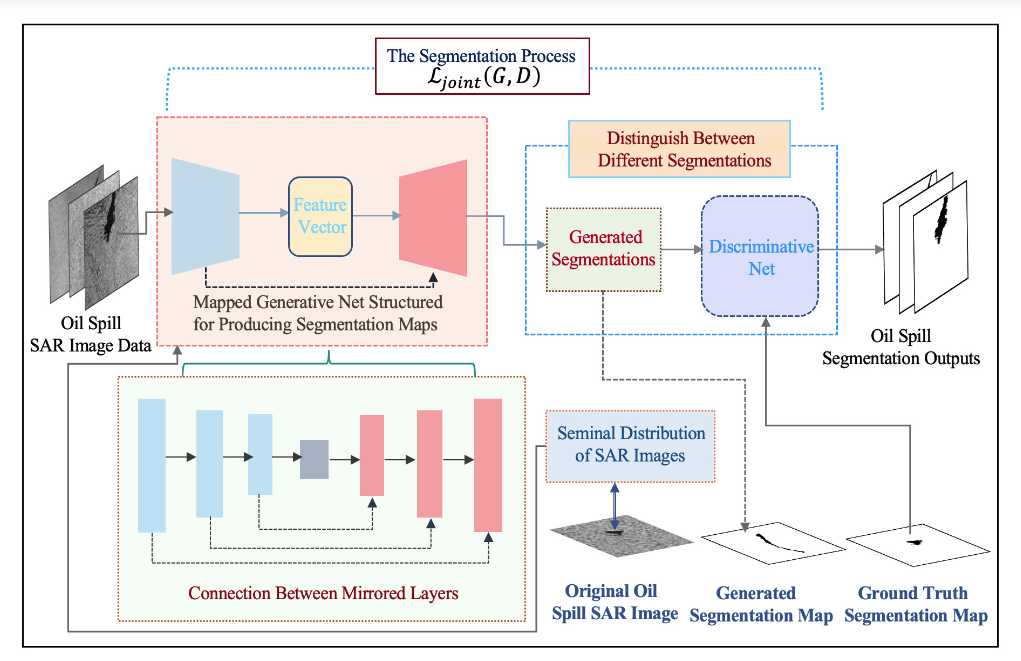
SRCNet: Seminal image representation collaborative network for oil spill segmentation in SAR imagery
Chen, F., et al., IEEE Trans. on Geoscience and Remote Engineering (2024).
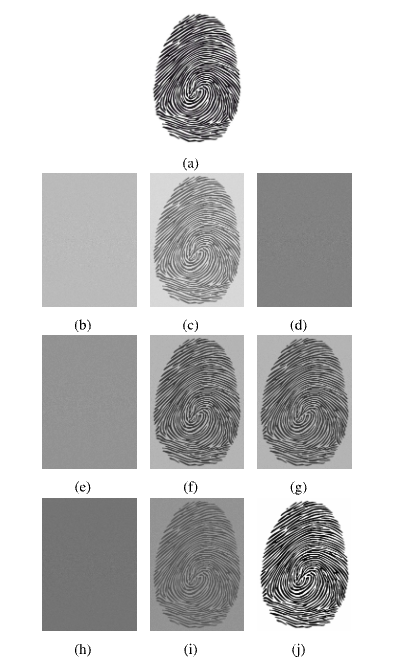
Maximizing contrast in XOR-based visual cryptography schemes
Jia, X., et al., IEEE Trans. on Circuits and Systems for Video Technology (2024).
Communicating COVID-19 vaccine information to Chinese communities in the UK: a qualitative study of their knowledge, information sources and trust
Gong, Q et al., BMJ Public Health (2024).
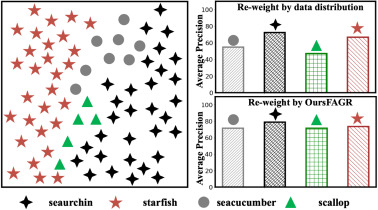
Underwater object detection in noisy imbalanced datasets
Chen, L et al., Pattern Recognition (2024).
InA: Inhibition adaption on pre-trained language models
Kang, C. et al., Neural Networks (2024).
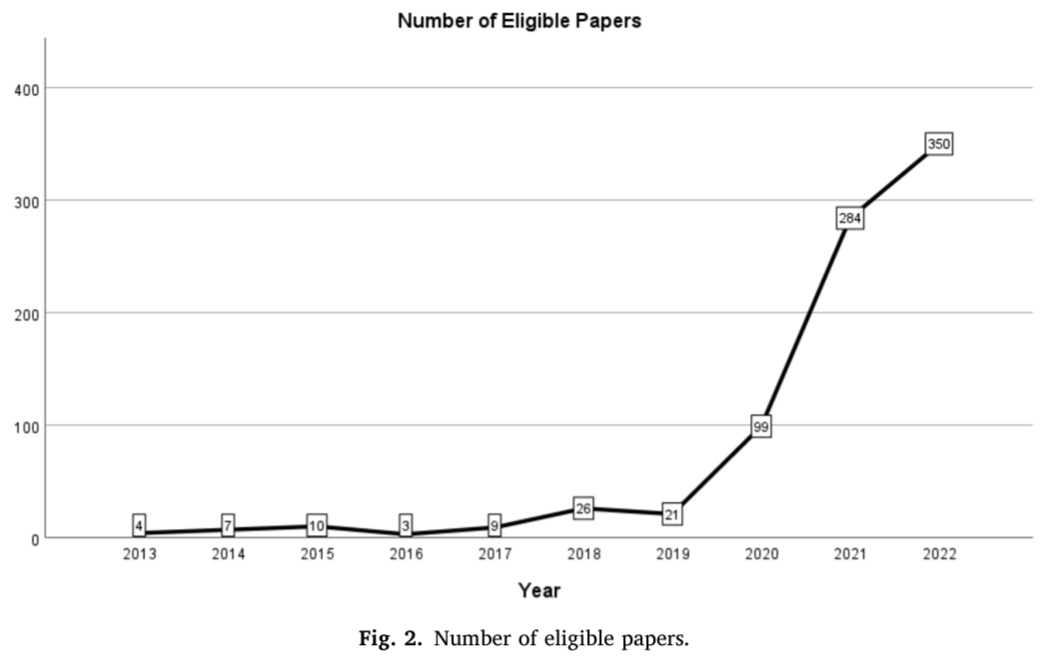
Have we found a solution for health misinformation? A ten-year systematic review of health misinformation literature 2013-2022
Zhang, S. et al., International Journal of Medical Informatics. (2024).
Long-short diffeomorphism memory network for weakly-supervised ultrasound landmark tracking
Z. Liu et al., Medical Image Analysis (2024).
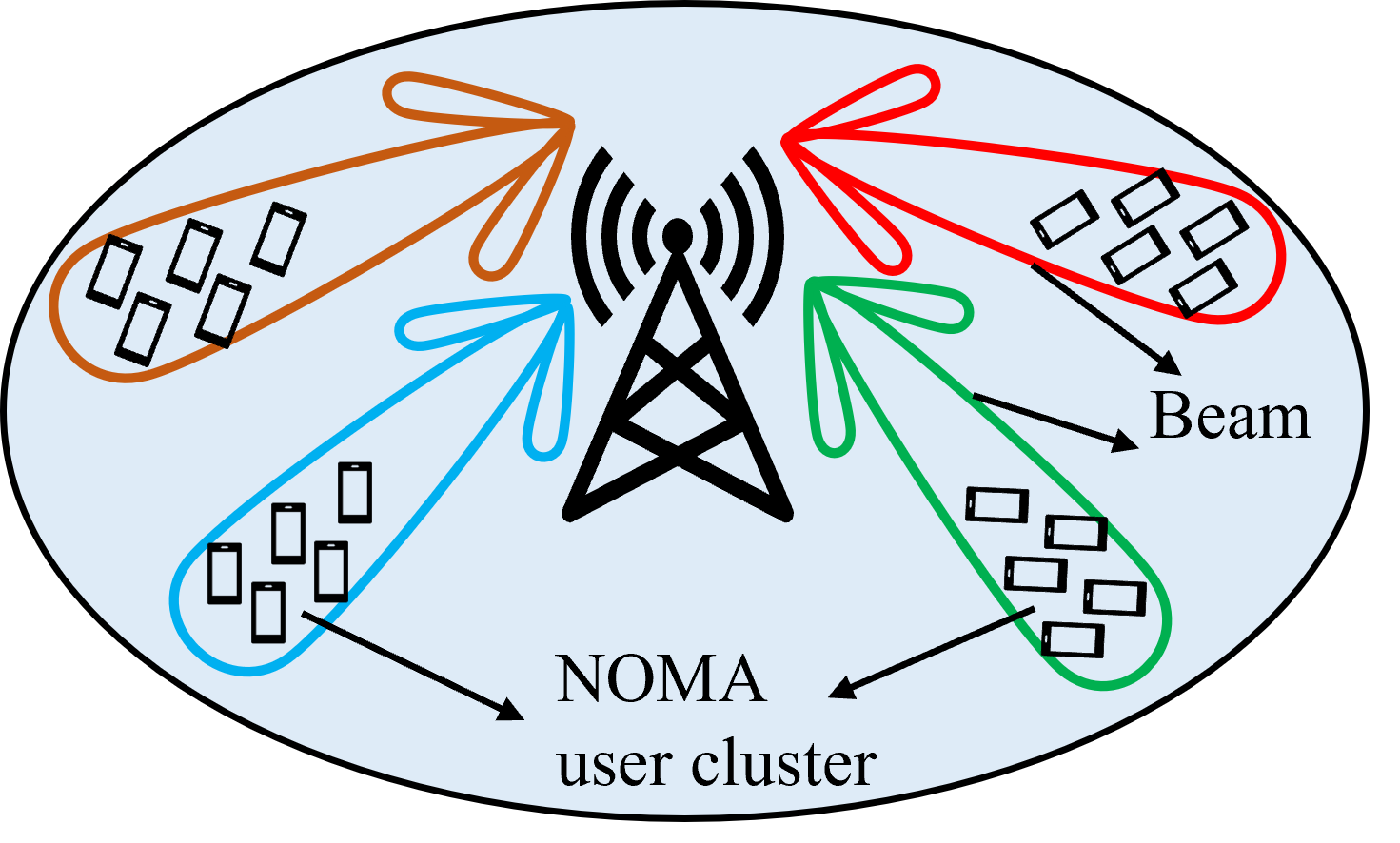
Joint beamforming and compressed sensing for uplink grant-free access
G. Xia et al., IEEE Trans. Wireless Commun. (2024). [Source Code]
CLANet: A Comprehensive Framework for Cross-Batch Cell Line Identification Using Brightfield Images
L. Tong et al., Medical Image Analysis (2024).
MDD-Enabled Two-Tier Terahertz Fronthaul in Indoor Industrial Cell-Free Massive MIMO
B. Li et al., IEEE Trans. Commun. (2023).
DGNet: Distribution Guided Efficient Learning for Oil Spill Image Segmentation
Chen et al. IEEE Trans. on Geoscience and Remote Sensing. (2023). [Source Code]
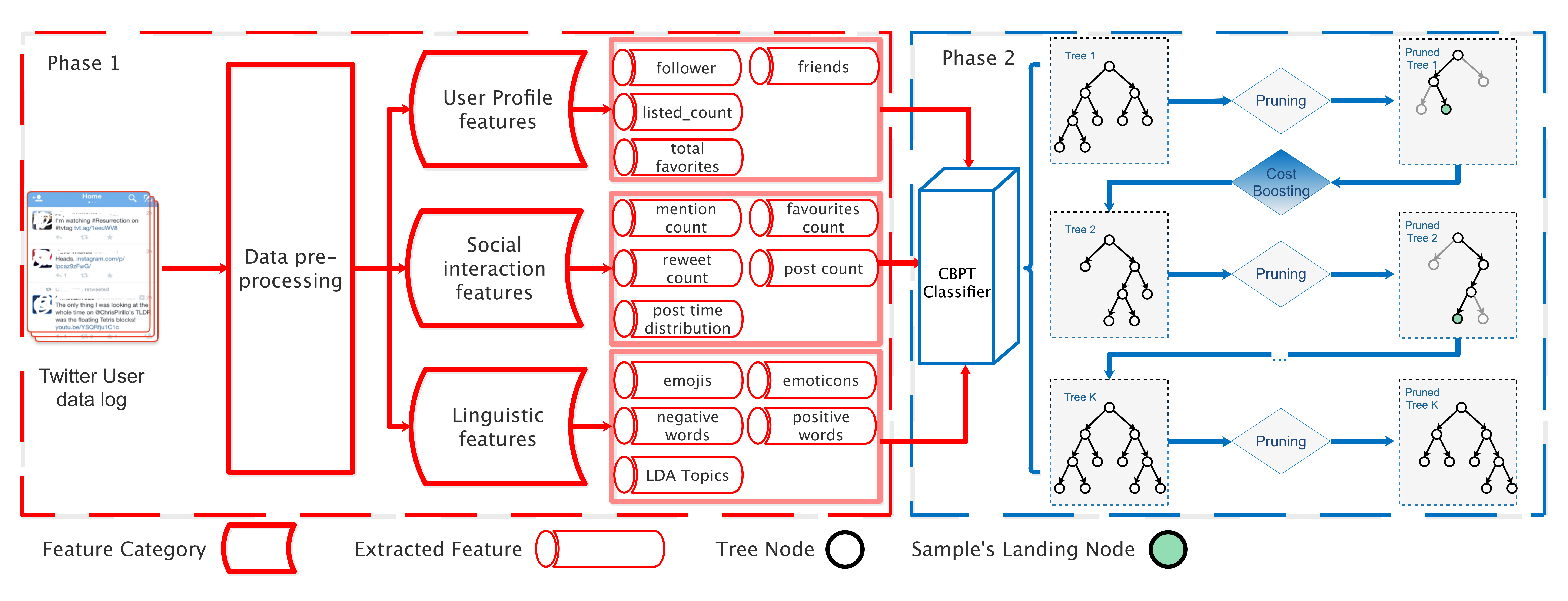
Cost-sensitive boosting pruning trees for depression detection on Twitter
Tong et al. IEEE Trans. on Affective Computing. (2022). [Source Code]
Dynamic multi-key FHE in asymmetric key setting from LWE
Chen et al. IEEE Trans. on Information Forensics & Security (2021). [Source Code]
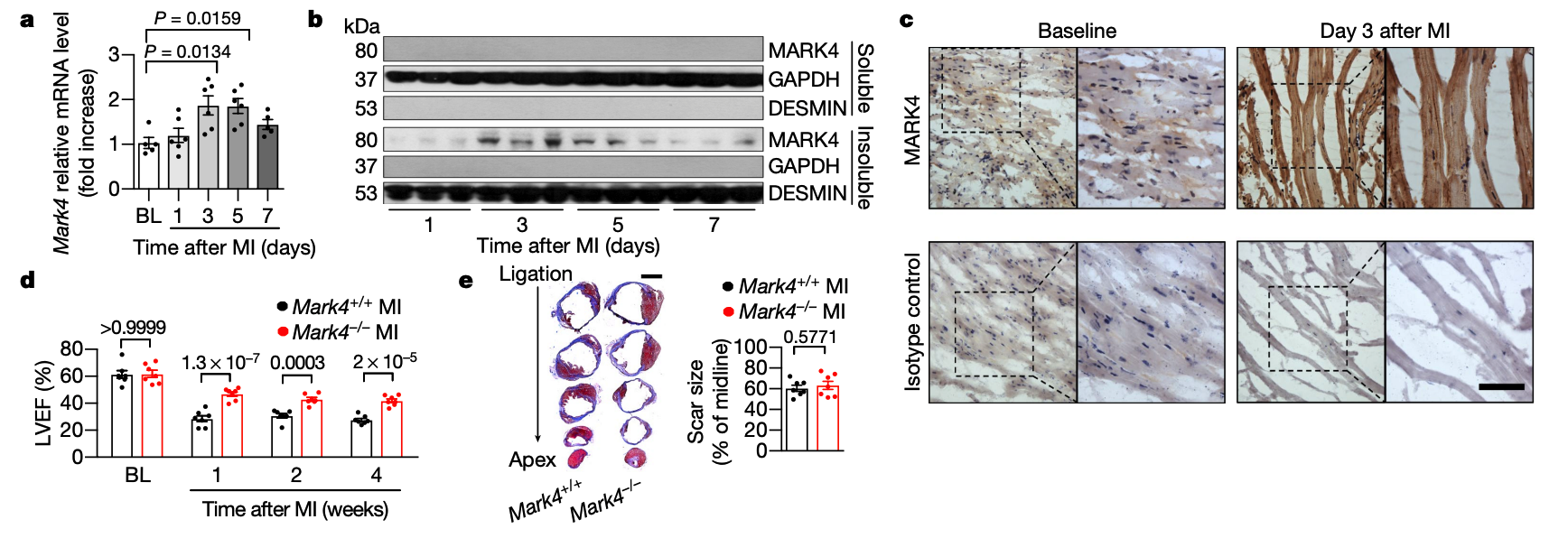
MARK4 controls ischaemic heart failure through microtubule detyrosination
Yu et al. Nature (2021). [Source Code]
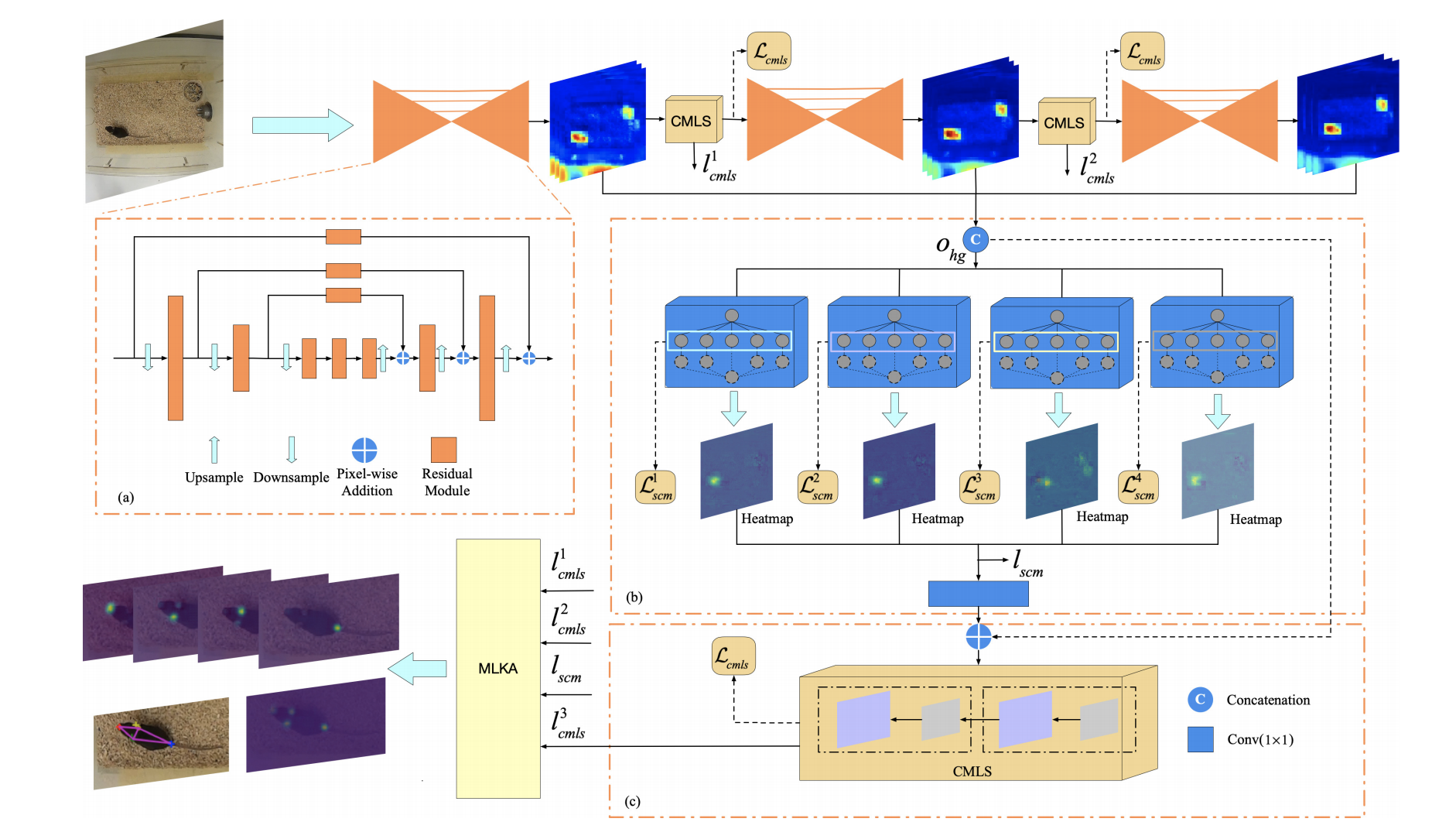
Structured Context Enhancement Network for Mouse Pose Estimation
Zhou et al. IEEE Trans. on Circuits and Systems for Video Technology (2021). [Source Code]
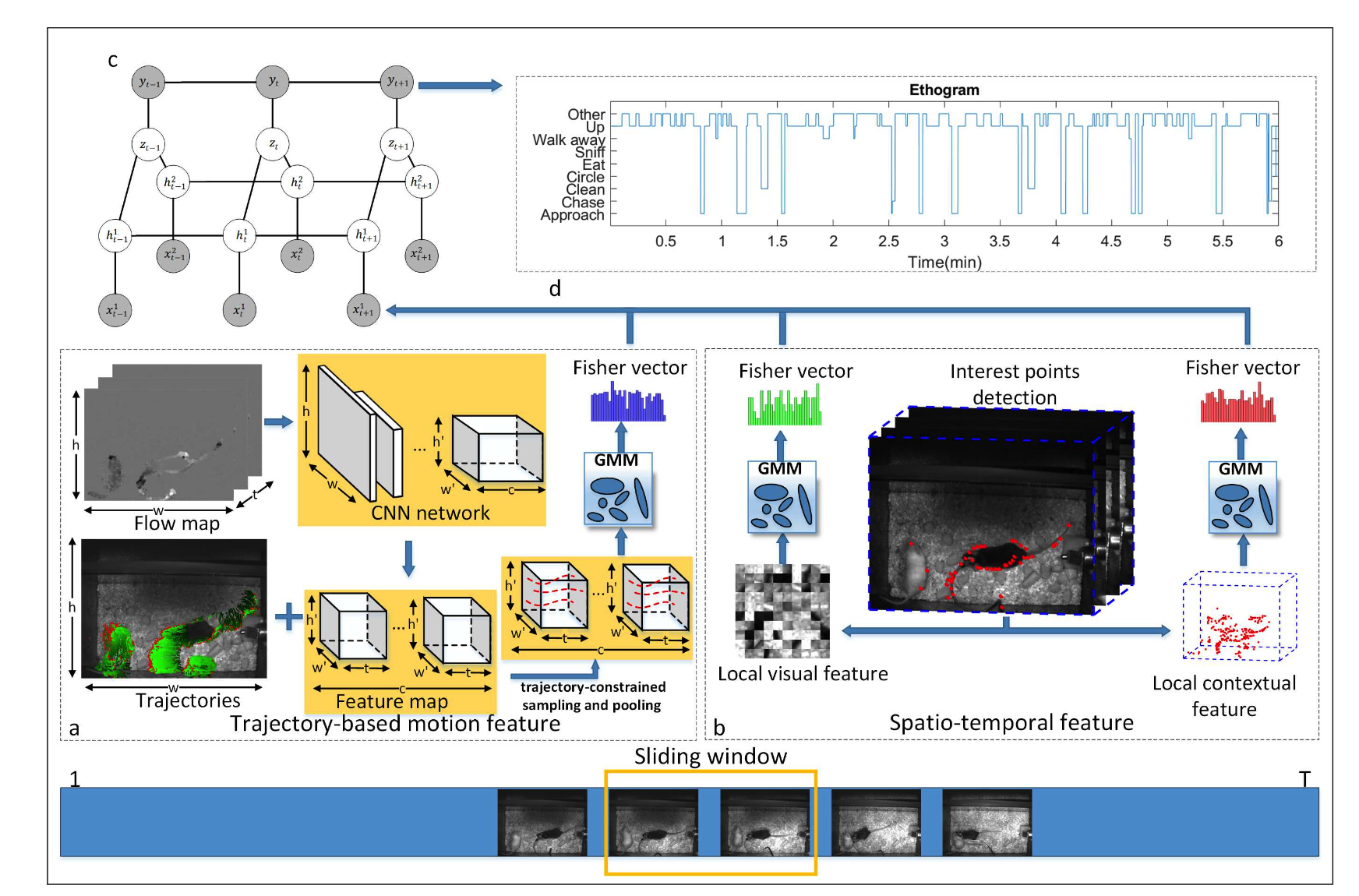
Multi-view mouse social behaviour recognition with deep graphical model
Jiang et al. IEEE Trans. on Image Processing (2021). [Source Code]
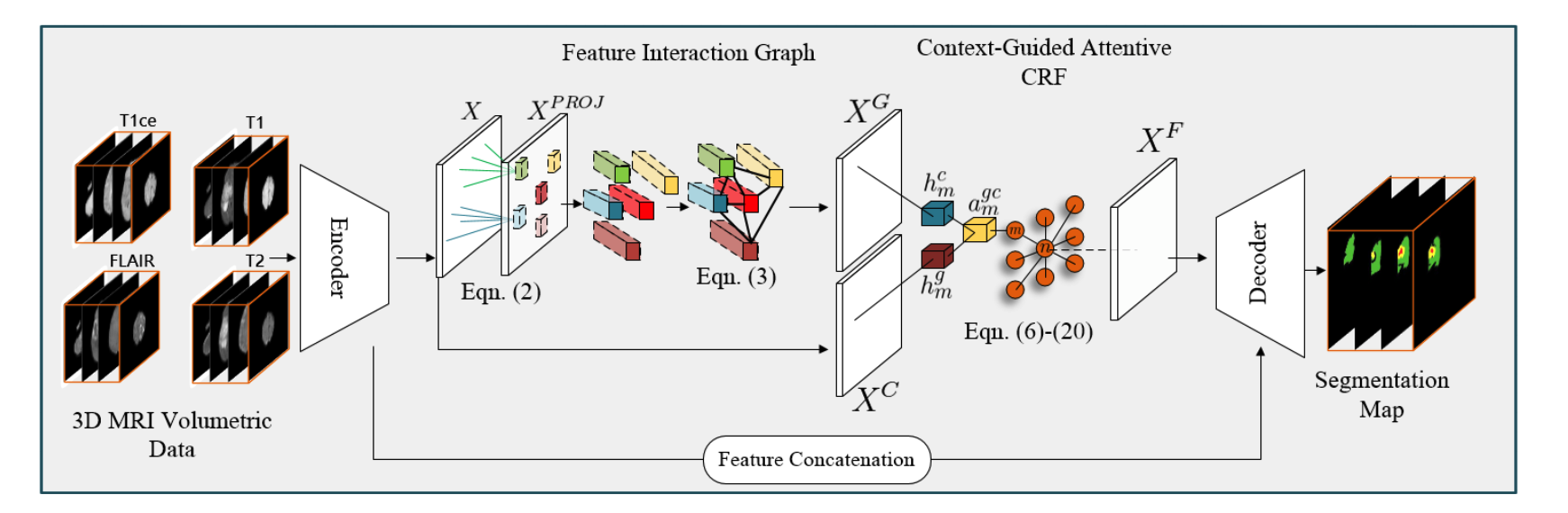
CANet: Context aware network for 3D brain tumor segmentation
Liu et al. IEEE Trans. on Medical Imaging (2021). [Source Code]
Multimodal gait recognition for neurodegenerative diseases
Zhao et al. IEEE Trans. on Cybernetics (2021). [Source Code]
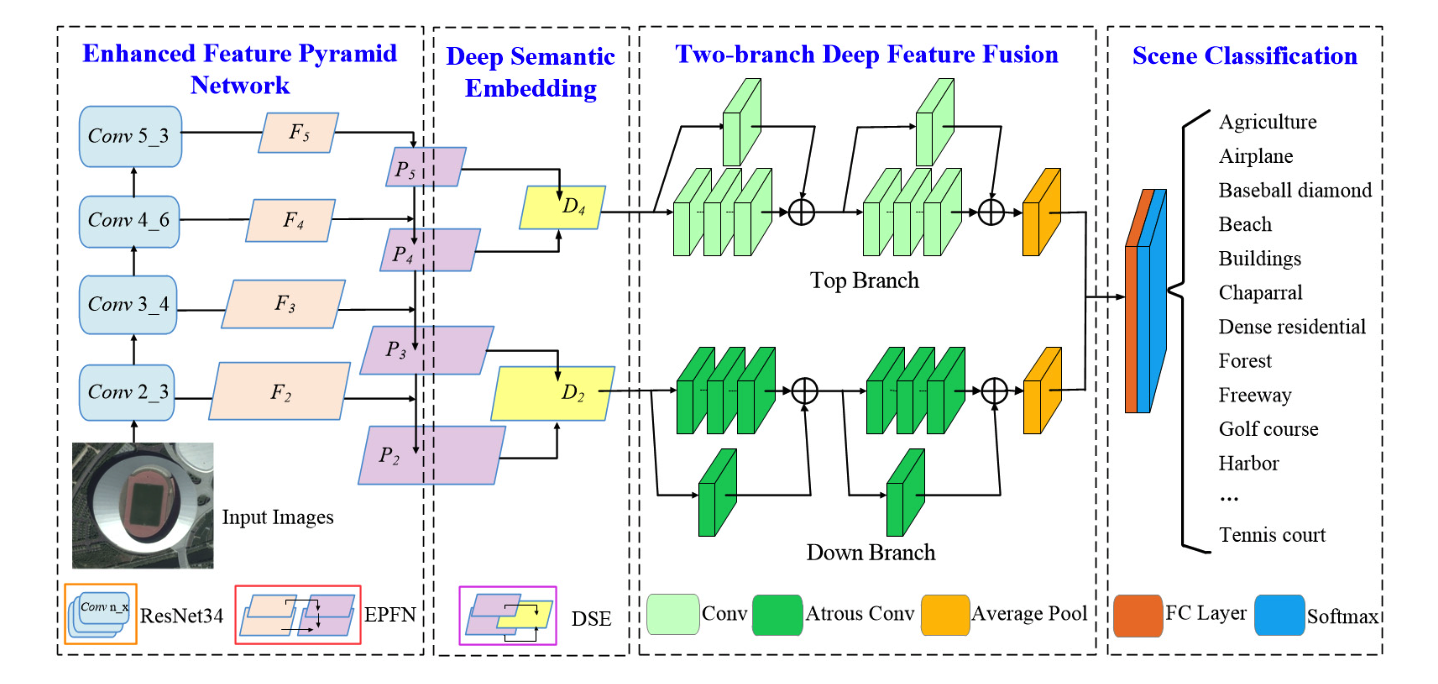
Enhanced feature pyramid network with deep semantic embedding for remote sensing scene classification
Wang et al. IEEE Trans. on Geoscience and Remote Sensing (2021). [Source Code]
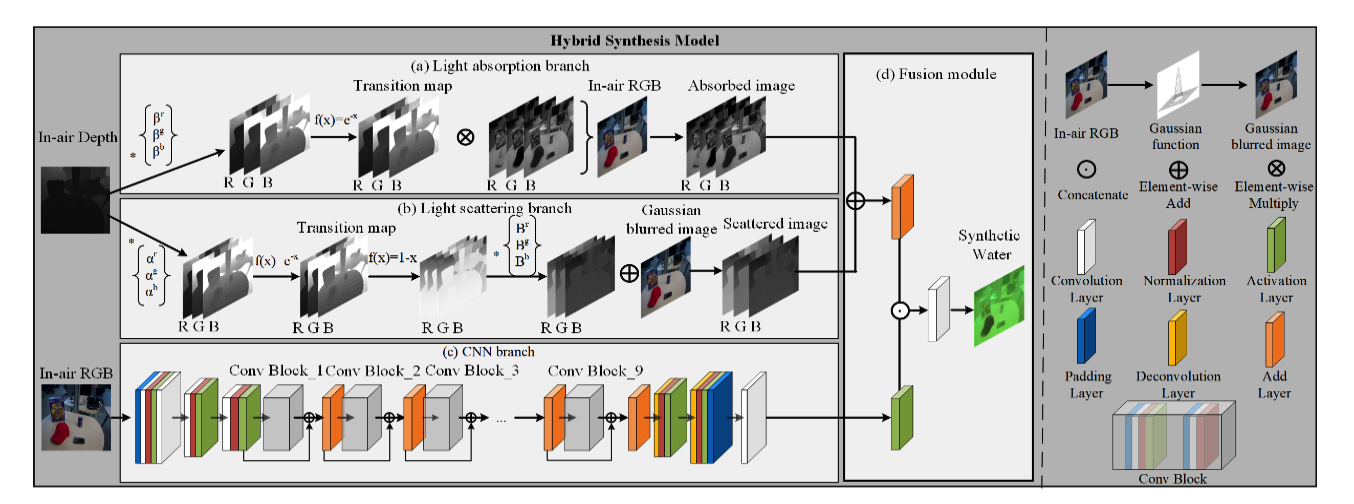
Perceptual underwater image enhancement with deep learning and physical priors
Chen et al. IEEE Trans. on Circuits and Systems for Video Technology (2021). [Source Code]
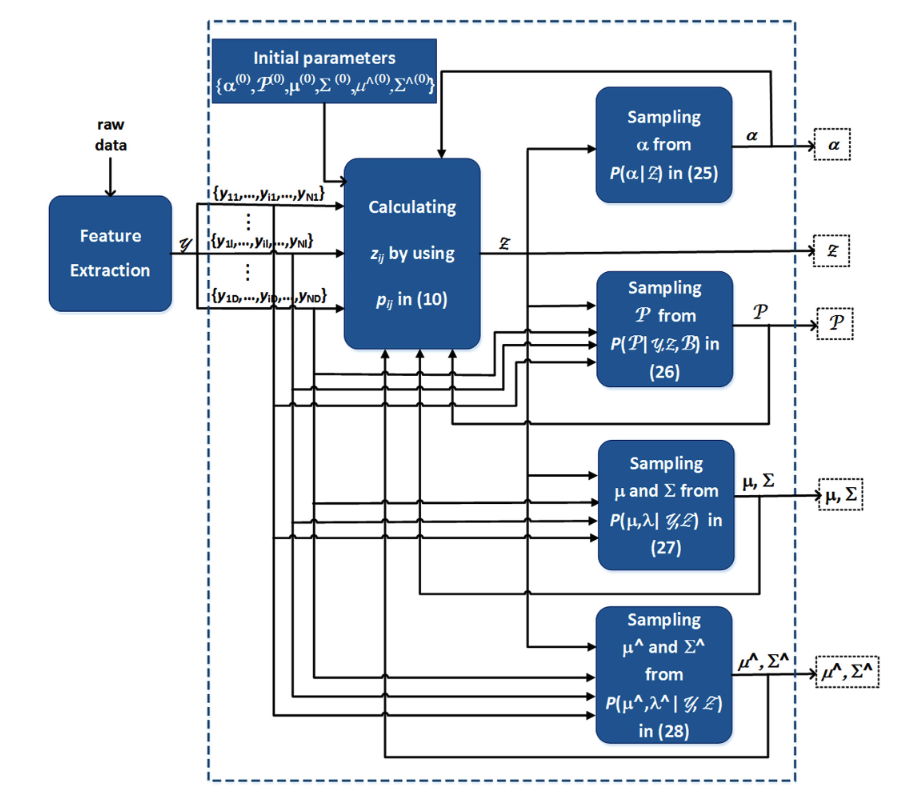
Component-based feature saliency for clustering
Hong et al. IEEE Trans. on Knowledge and Data Engineering (2021). [Source Code]
For a full list, please go to Google Scholar or ResearchGate.